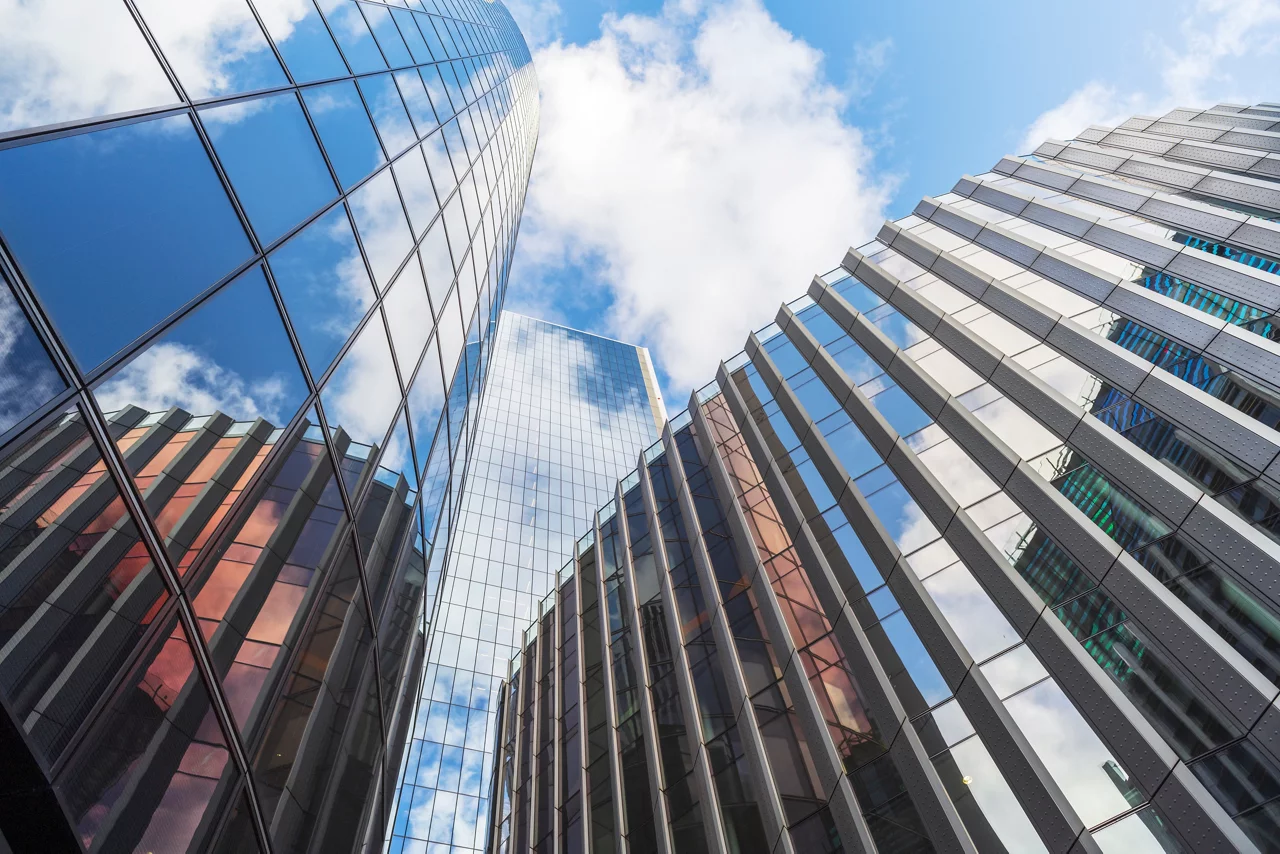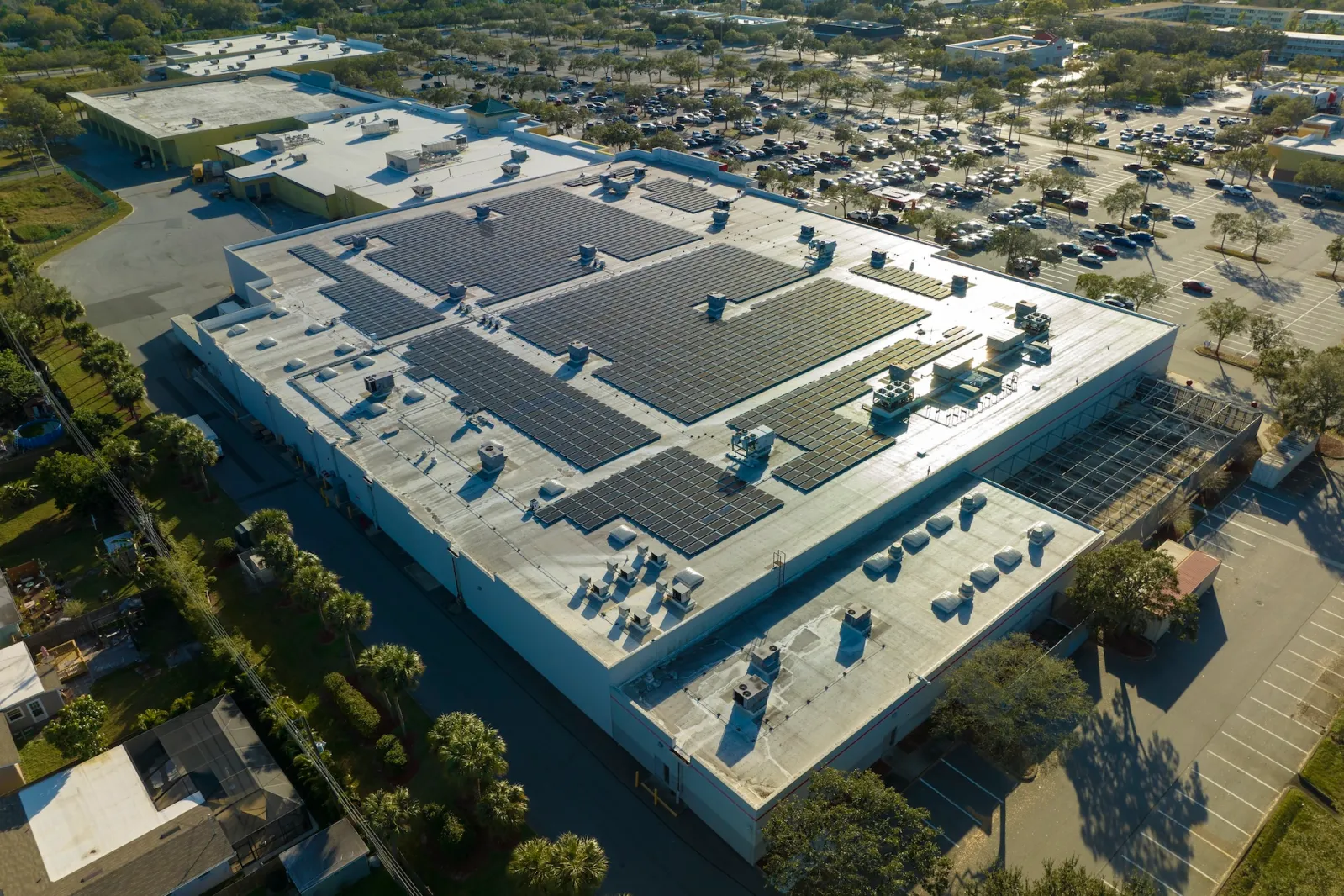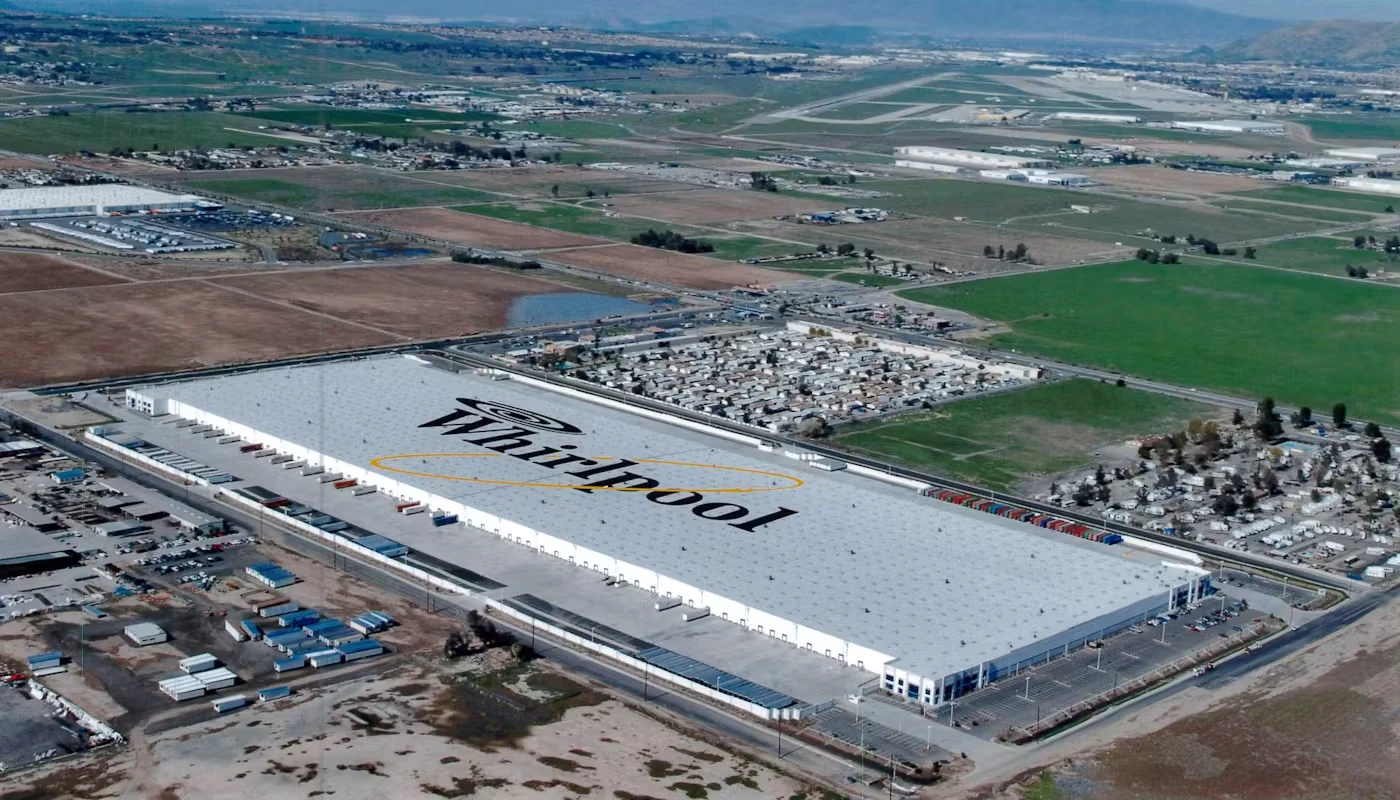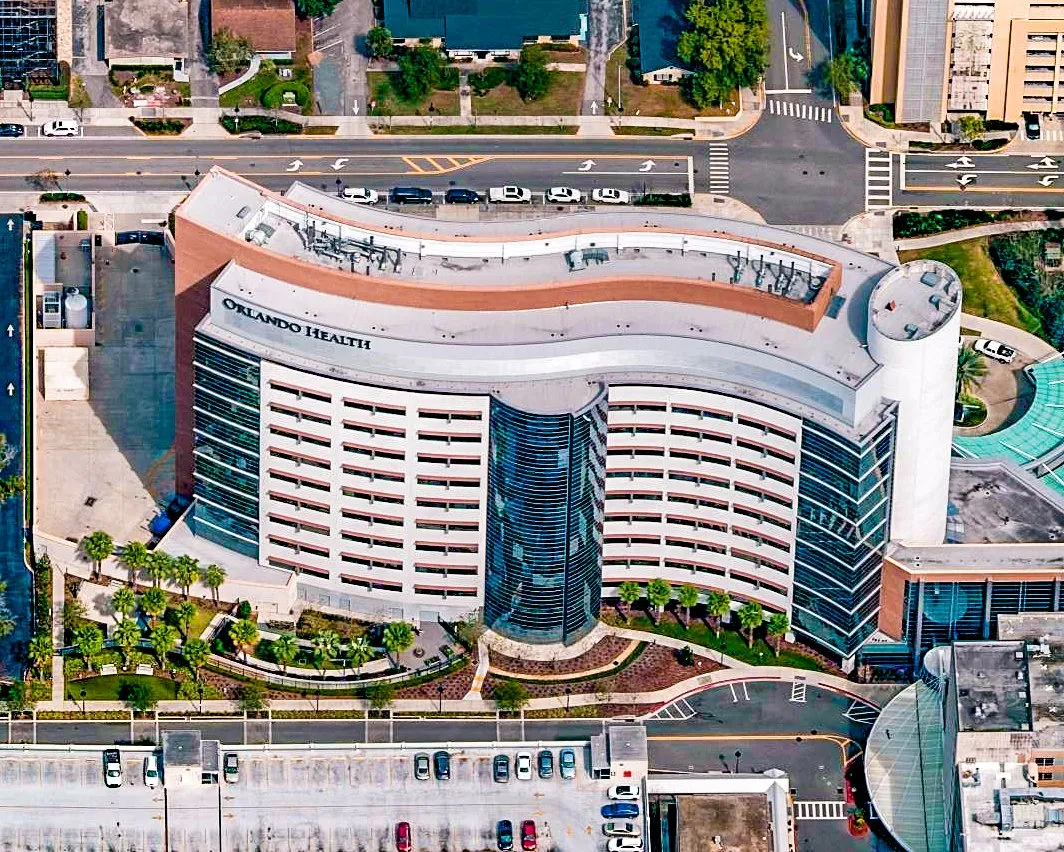
Data Center Roofing starts with the actual roof condition.
Baltimore occupies a critical node in the Mid-Atlantic data center network, positioned between the world's largest data center market (Northern Virginia) and the major financial and government computing clusters of the DC-Maryland corridor. Corporate Office Properties Trust (COPT), which operates a significant number of mission-critical and government-focused data center facilities in the Maryland suburbs, has established Baltimore County and the surrounding region as a serious secondary market for federal and defense-adjacent computing. Digital Realty maintains a presence in the Maryland corridor, and the combination of government agency computing demand from NSA facilities at Fort Meade and other defense installations creates a steady base of enterprise and colocation demand that doesn't exist in most other markets.
The Baltimore-Washington corridor's data center density creates a market where the cost of downtime is particularly well understood. Financial institutions, government agencies, and defense contractors operating in this market have contractual uptime requirements that are measured in nines — 99.999% availability means less than six minutes of downtime per year. In this context, roofing is not a maintenance line item but a critical infrastructure decision. A single roof leak over an active server room in a COPT or similar mission-critical facility represents a potential catastrophic event, not just a repair call. The operators in this market invest in roofing quality accordingly, and they select contractors based on documented experience with mission-critical facilities, not just price.
Baltimore's climate combines humid subtropical summers with cold winters, generating annual precipitation of approximately 41 inches including significant snowfall — averaging around 20 inches per year with occasional major winter storm events. This climate creates a demanding year-round loading schedule for data center roofs that must simultaneously handle summer thunderstorm events, winter snow accumulation, and the mechanical vibration and thermal cycling from continuous HVAC operation. The combination is particularly hard on parapet base flashings, which experience freeze-thaw cycling at least 40 to 50 times per year while supporting the continuous mechanical stress from adjacent CRAC unit operation.
Vibration isolation at Baltimore data center rooftop generator installations is a detail that requires more attention here than in many markets because of the frequency of older building stock being converted to data center use. The Inner Harbor, Locust Point, and Tide Point business corridors have seen industrial and warehouse building conversions to technology and data center use, and the structural characteristics of older masonry and concrete-frame buildings transmit generator vibration differently than purpose-built steel-frame data center facilities. Generator curb mounts on older buildings need vibration isolation calculations specific to the building's structural system, not generic curb specifications designed for light steel construction.
Emergency generator exhaust management in dense Baltimore development areas — including the many data centers in the I-695 Baltimore Beltway corridor around Linthicum and Arundel Mills — requires coordinating generator stack design with the Maryland Department of the Environment (MDE) air quality permitting requirements for Tier II or Tier IV diesel generators. Baltimore area NOx emissions regulations are more restrictive than in many Southeast markets, and the stack height and dispersion calculations required for the permit affect the roof penetration design for generator exhaust. This is a coordination step that must happen between the mechanical/permit engineer and the roofing contractor before any penetrations are finalized.
The NSA campus at Fort Meade, visible from US-32 in the Baltimore-DC corridor, anchors a cluster of cleared-facility data centers and secure computing environments in Anne Arundel and Howard Counties that require roofing contractors with specific security clearance awareness. Work on facilities supporting cleared operations often requires background checks for on-site workers, a no-photography policy on roof decks, and in some cases, specific security protocols for material staging and overnight access. Roofing contractors unfamiliar with this environment should understand these requirements before pursuing work in the Fort Meade corridor market segment.
TPO and EPDM both have strong track records in the Baltimore-area climate, with each having distinct advantages. TPO's heat-weld seam technology and white reflective surface are preferred for new construction and facilities with high cooling loads. EPDM's cold-temperature flexibility and long track record in freeze-thaw cycling environments make it a competitive choice for facilities in the colder microclimates of the Baltimore area — particularly facilities at higher elevations in Baltimore County or Carroll County where winter temperatures are several degrees colder than the city's urban heat island conditions. PVC membranes see some use in applications near generator fuel storage where petroleum resistance is required.
Cable management penetrations at Baltimore data centers need to address the region's frequent winter weather more than the dry-season dust concerns that dominate in western markets. Pipe boots and conduit flashings that are properly sealed against liquid water infiltration still need to be detailed against wind-driven ice and snow infiltration — a different failure mode that affects the upper edge of the flashing, not just the base. Maintaining a tight seal at the top of pipe boots, where condensation from cold conduit surfaces can collect and then freeze, is a detail that requires inspection attention after each significant winter storm event.