Industrial Flex Space Roofing starts with the actual roof condition.
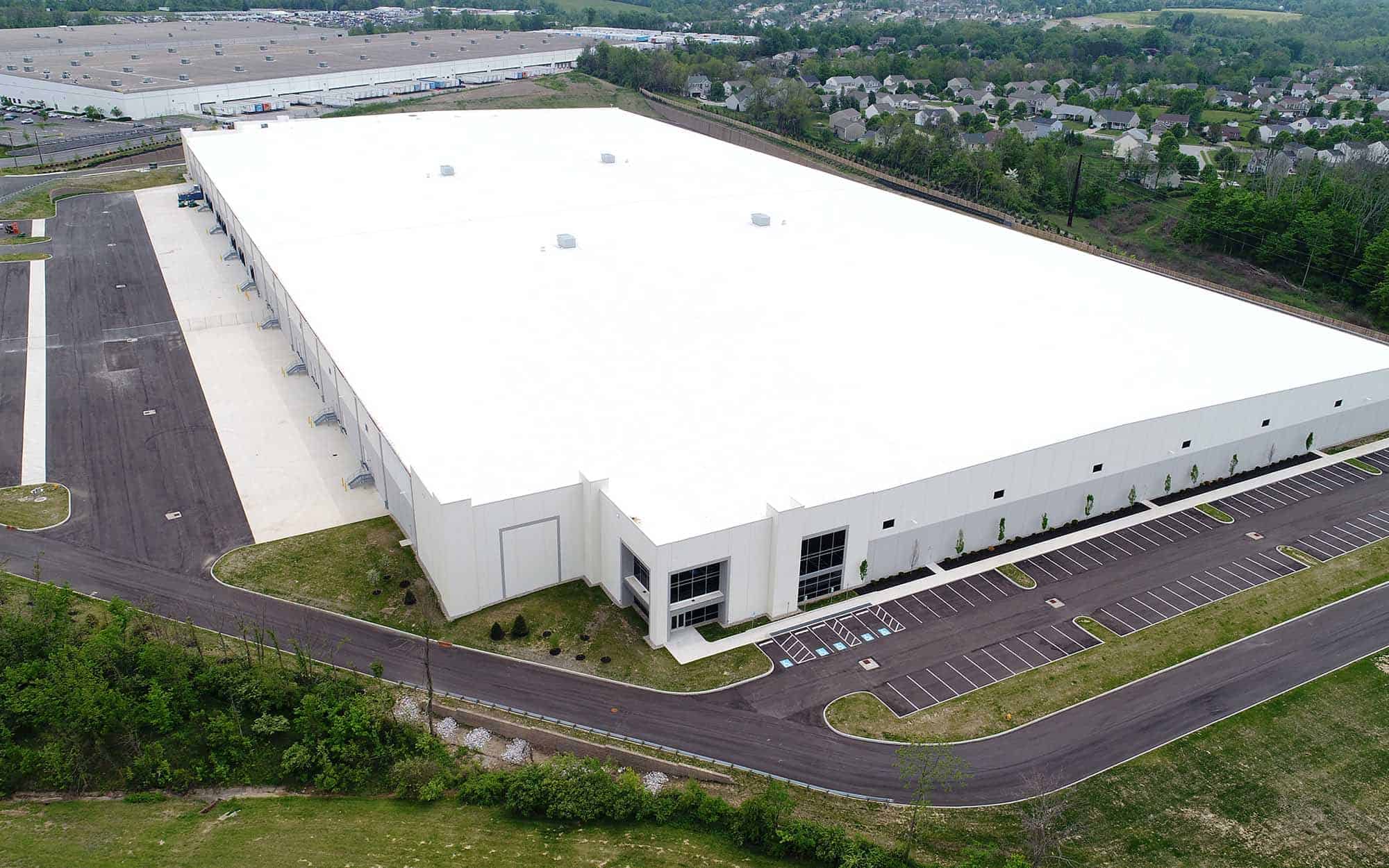
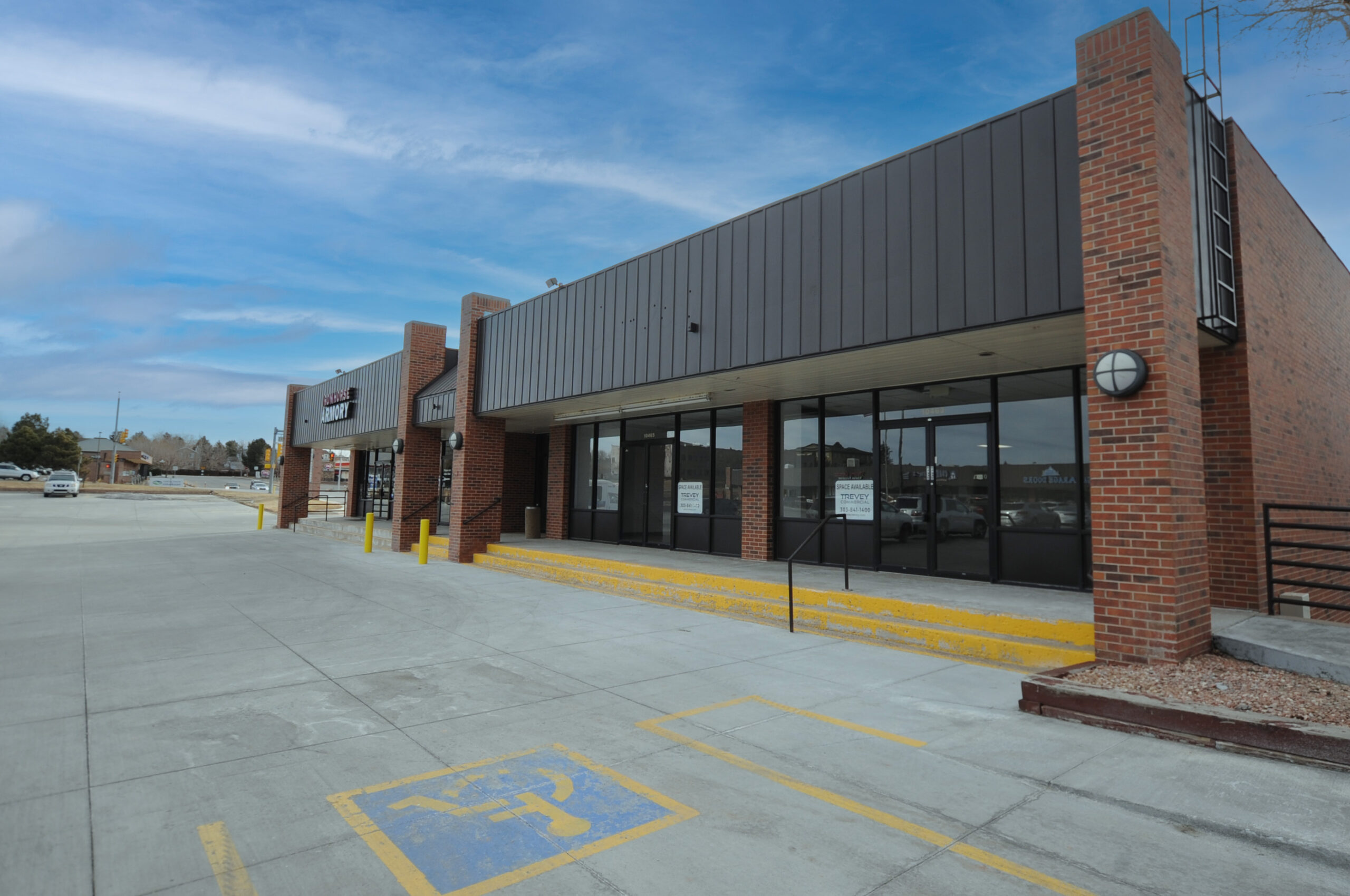
A flex building is whatever its current tenants need it to be, and its roof has to keep up with that. One bay is light assembly, the next is a contractor's shop, the one after that is lab or office space behind a glass storefront, and every lease cycle the mix changes again. Each tenant who moves in tends to put something new on the roof. The result is a low-slope membrane carrying years of penetrations that nobody fully documented, and that is the reality we start from on a flex roof.
Flex space is everywhere in Baltimore's commercial belt
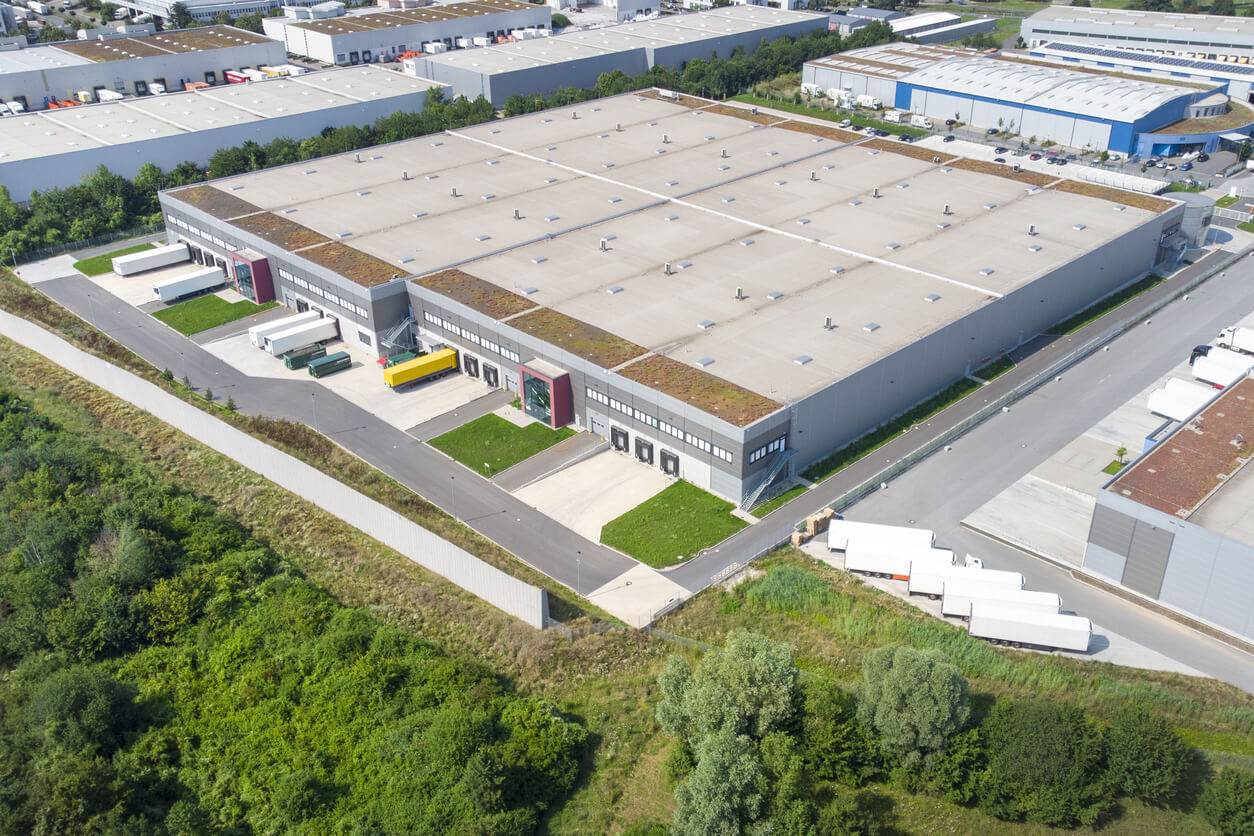
This building type fills the metro's industrial corridors. The flex and light-industrial parks along Route in Elkridge and Jessup, the I-95 and Route 1 frontage between Baltimore and the county line, the Hunt Valley and Owings Mills business parks to the north, the older brick-and-tilt-wall stock along Pulaski Highway and Holabird Avenue, and the newer build near BWI and Tradepoint Atlantic are all flex inventory. Tenants cycle through as the economy shifts, and the roofs range from 1970s built-up over tilt-wall to modern pre-engineered metal buildings. The constant is multiple penetrations and changing use, and that is what we plan around.
Multi-tenant means undocumented penetrations
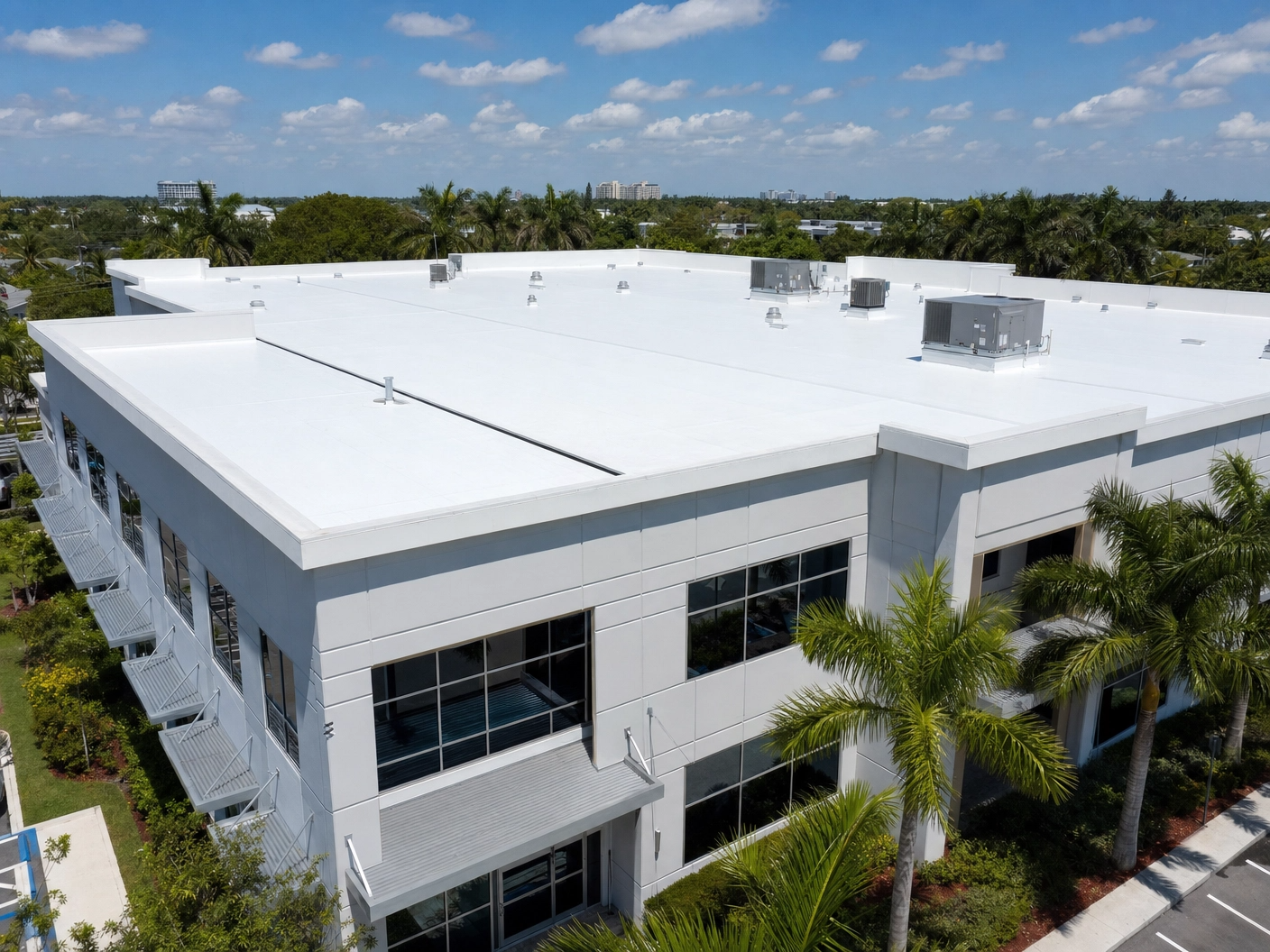
A single-user industrial building has one set of rooftop equipment installed at once. A multi-tenant flex building accumulates equipment one tenant improvement at a time, often by whoever the last tenant's HVAC contractor happened to be, with curb cuts and conduit runs that never made it into the property records. So every flex roof we touch starts with a penetration survey: we photograph and map every unit, curb, vent, and conduit, compare it to original drawings where they exist, and flag the non-standard or poorly sealed penetrations that need fixing before new membrane goes down. That is what keeps a warranty claim from turning into a dispute later.
The vacancy gap is where leaks start
Flex space leaks most when a bay sits empty. When a tenant clears out and pulls their rooftop units, the open curbs usually get a temporary cap that does not survive two or three Maryland rainstorms. Meanwhile nobody is inside to notice the ceiling staining, and drains in the vacant bays clog with debris faster than the occupied ones because no one is watching them. On any flex property in lease transition, our inspection confirms curb-cap status, verifies that the departed tenant's penetrations are properly sealed, and checks that the drains are clear before the next tenant inherits a problem.