Drone Roof Inspection & Thermal Imaging starts with the actual roof condition.
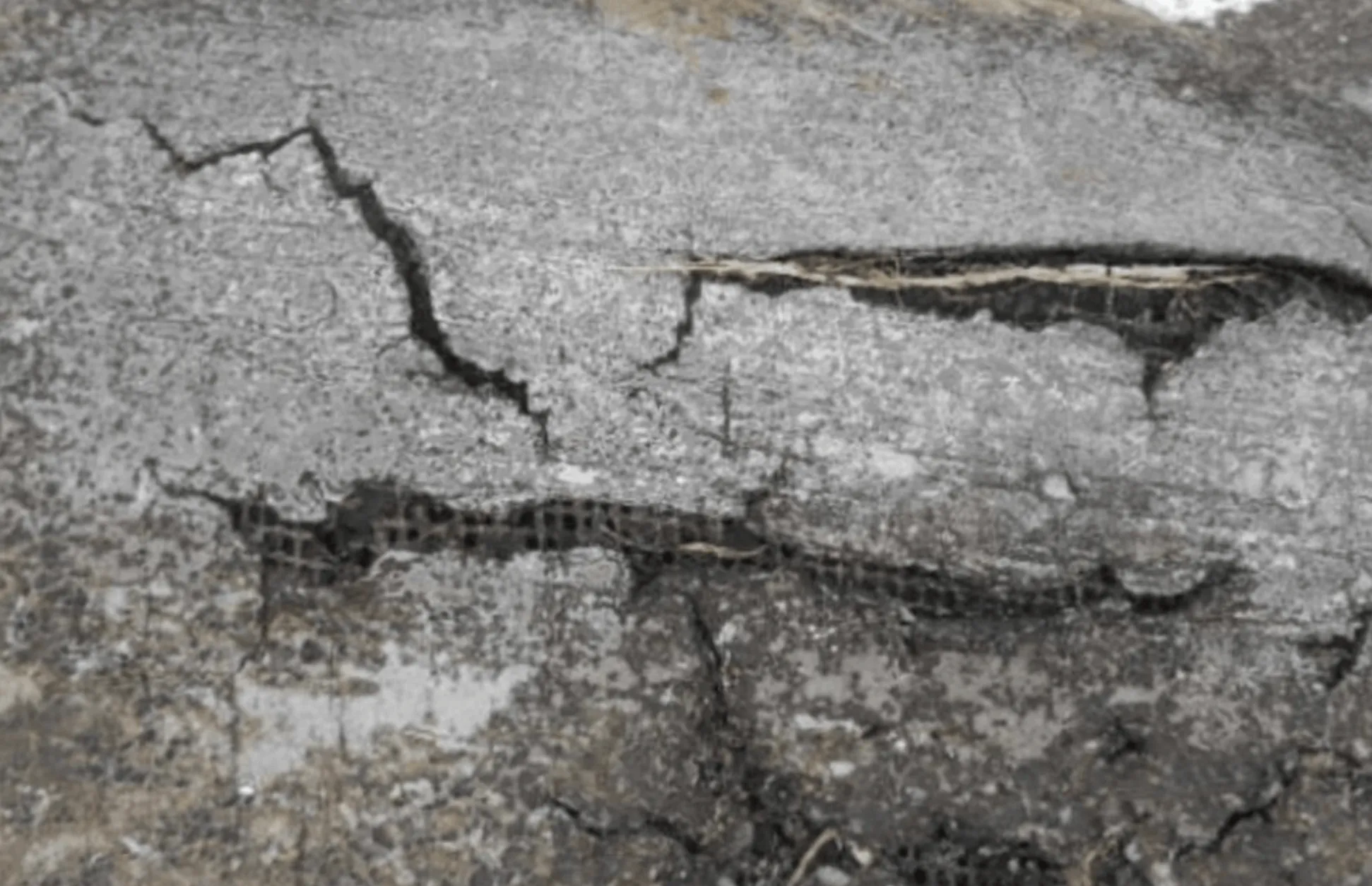
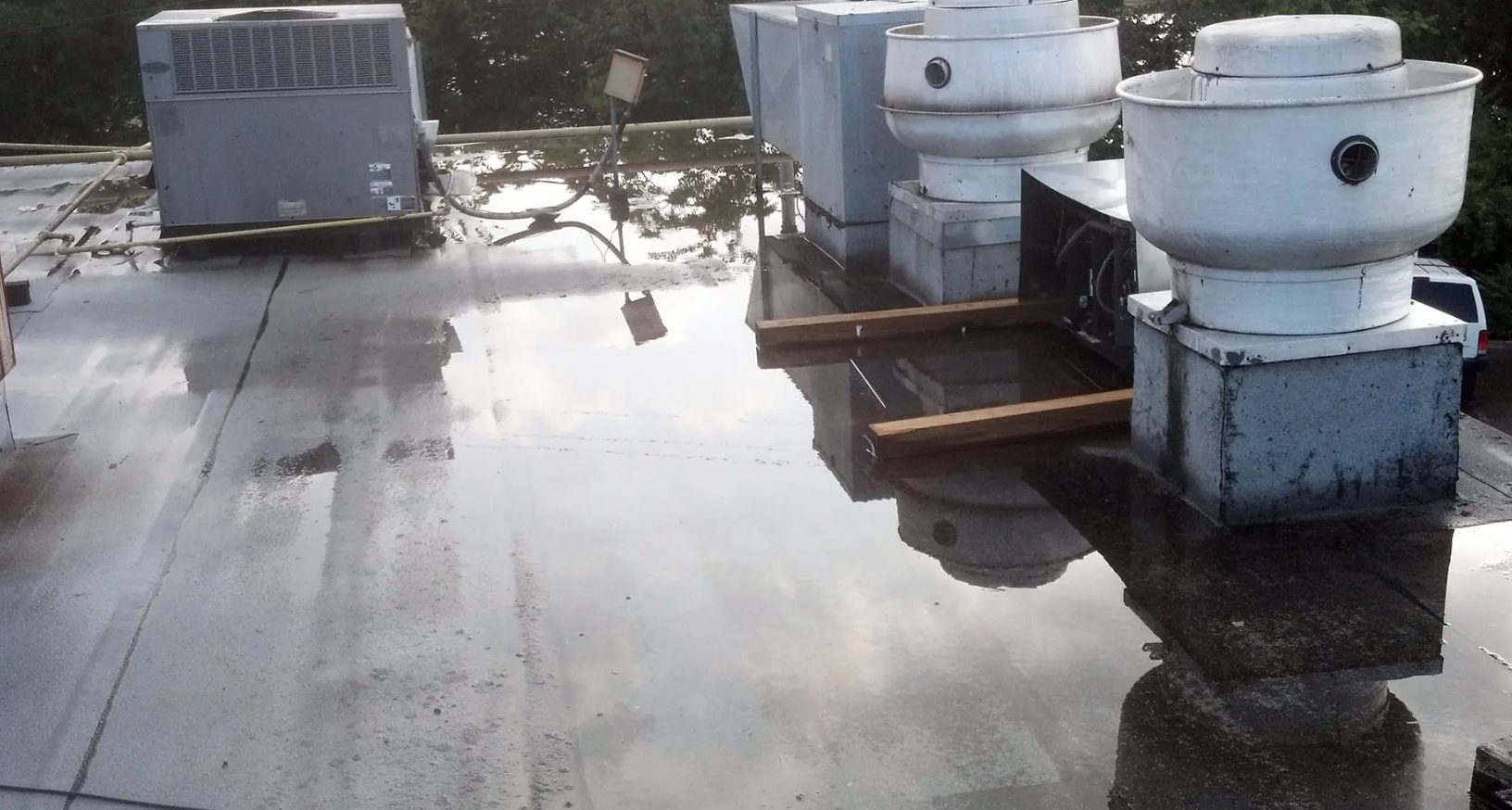
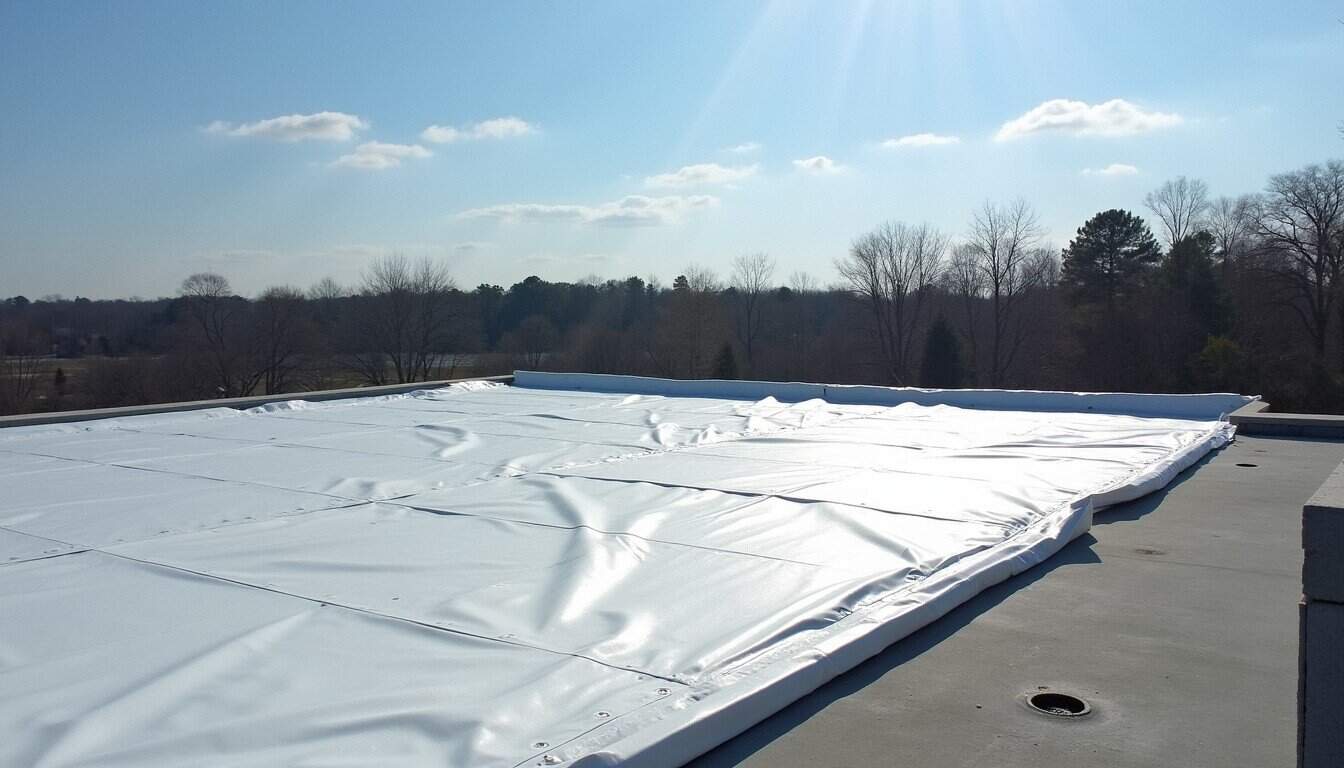
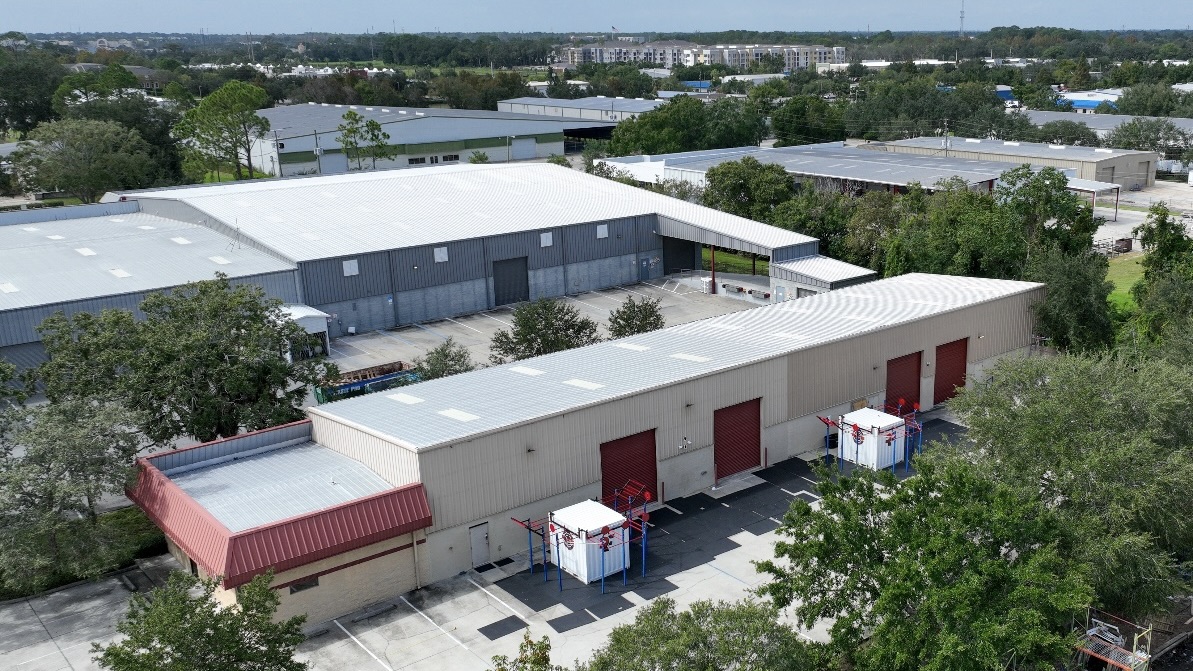
The big flat roofs that define commercial Baltimore, the distribution centers along the Pulaski Highway and Holabird Avenue corridors, the warehouse stock in the Curtis Bay and Dundalk industrial belt, the office and lab buildings clustered near the Johns Hopkins Bayview campus, are exactly the roofs where a person walking with a clipboard sees the least and risks the most. A roof that runs a hundred thousand square feet can hide saturated insulation, failed seams, and ponding patterns that no foot survey will ever map completely. We use aerial drone inspection with high-resolution and thermal sensors to read those roofs end to end, find the moisture before it becomes a tear-off, and document it in a form adjusters and asset managers can act on.
Seeing The Whole Roof Without Walking It
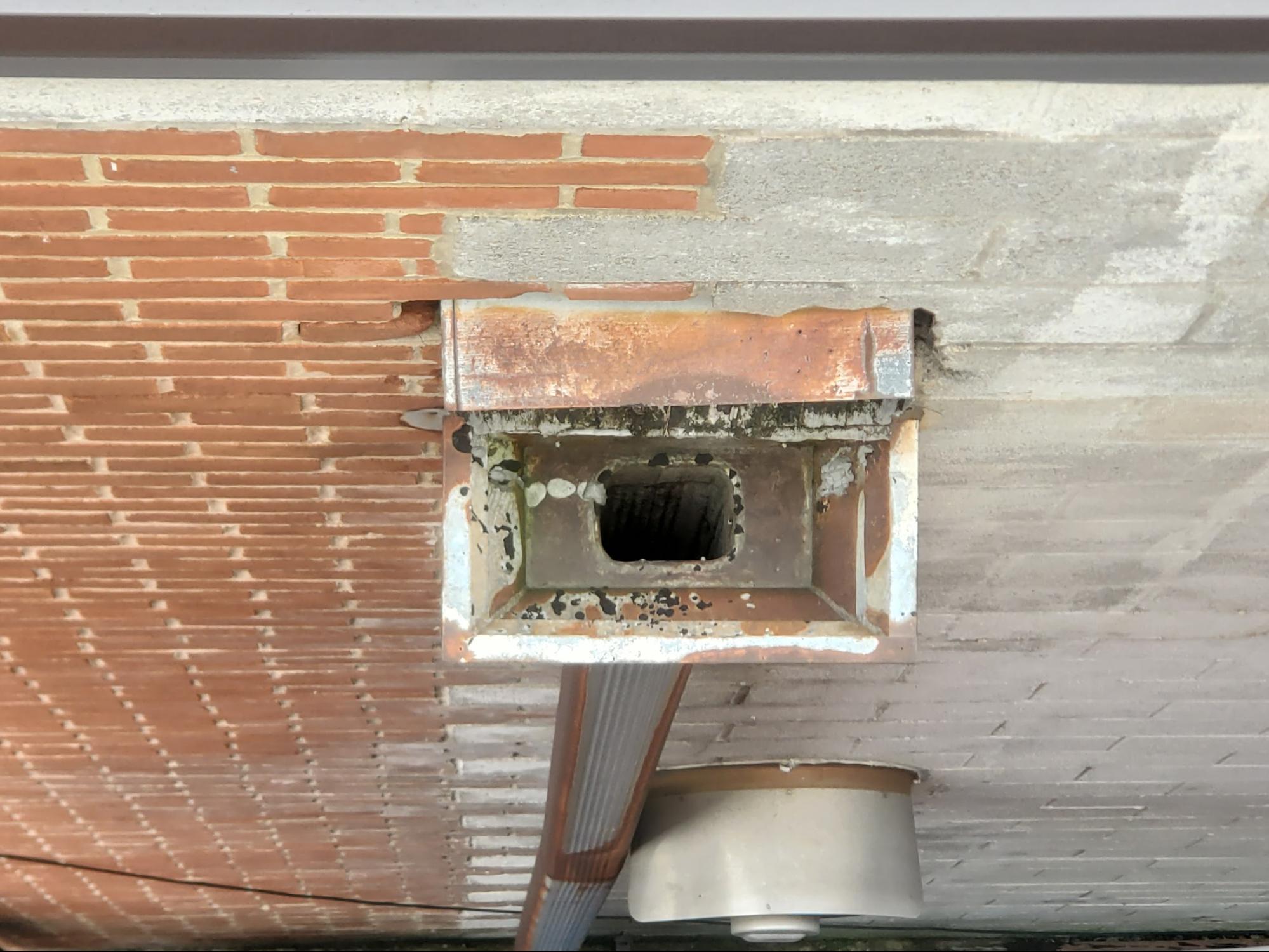
A drone covers a large low-slope roof in a fraction of the time a manual walk takes, and it does it without putting a single boot on a membrane whose condition is still unknown. That matters more than it sounds. Foot traffic on a brittle or saturated roof drives hidden damage deeper, crushes wet insulation, and exposes an inspector to skylights, weak decking, and roof edges. From the air we capture every drain basin, every seam line, every pipe boot and equipment curb at consistent altitude and overlap, producing a complete, repeatable photographic record of the field rather than the handful of spots an inspector happened to walk over. For a Baltimore property manager juggling several buildings, that means a true apples-to-apples condition record across the whole portfolio.
Thermal Imaging Finds The Water You Cannot See
The most valuable thing a drone brings to a commercial roof is the thermal camera. Wet insulation has far more thermal mass than dry insulation around it, so after a sunny day it holds the day's heat well after sunset while the dry field cools off. Flown during that evening cool-down window, the thermal sensor reads those saturated zones as warm signatures against a cooler background, mapping the exact footprint and extent of trapped moisture even where the membrane surface above looks perfectly intact. On Baltimore's humid summer roofs, where moisture migrates into the assembly and sits there, this is often the only way to catch a problem while it is still a repair instead of a full replacement. We confirm the thermal flags with a small number of core cuts so the moisture map is verified, not just inferred.
Why This Decides Repair Versus Replacement
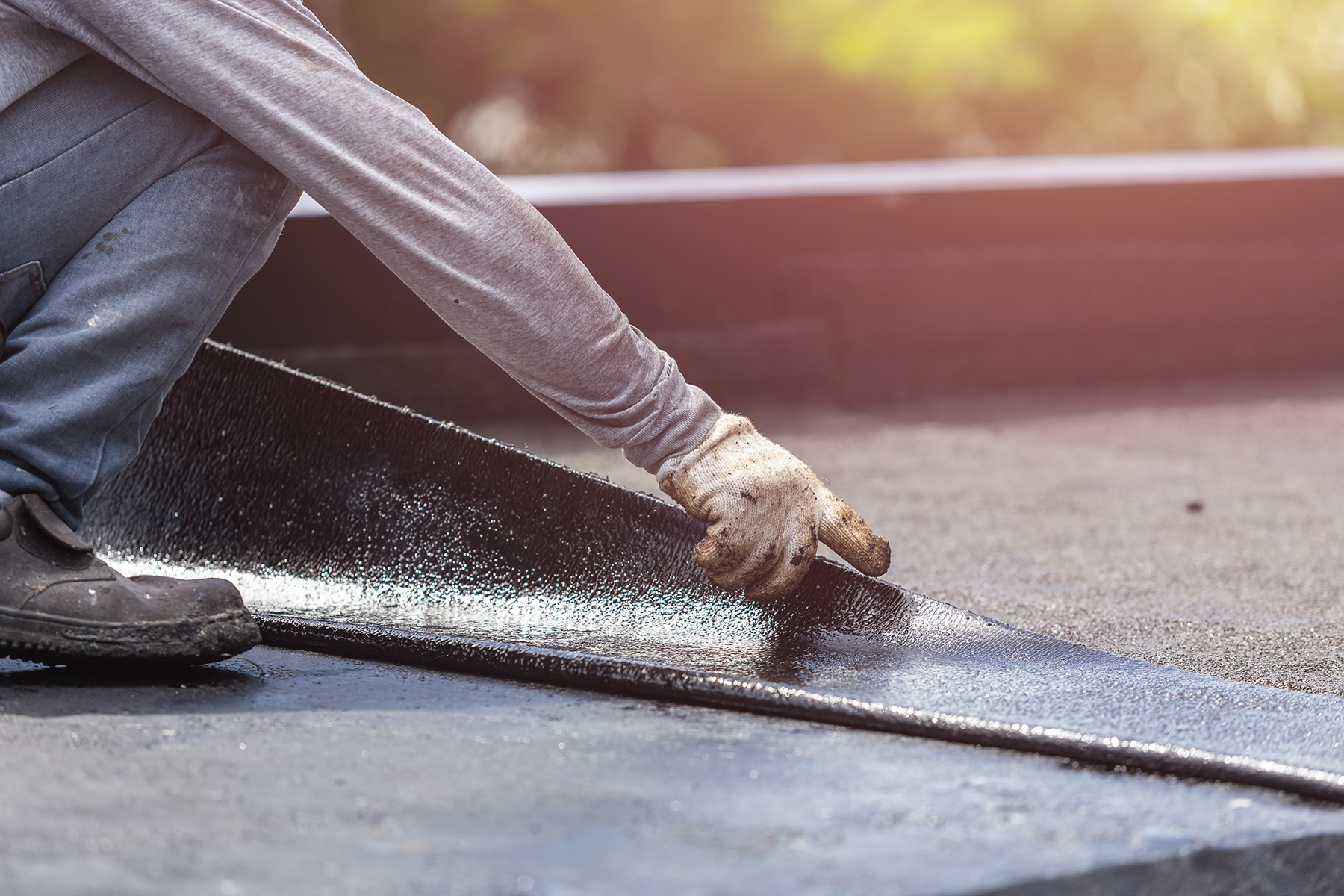
The single biggest question on an aging commercial roof is whether you can repair and recover, or whether the wet insulation is too widespread and the whole assembly has to come off. Guess high and you spend on a tear-off you did not need. Guess low and you recover over saturated insulation that keeps corroding the deck under a brand-new membrane. A verified thermal moisture map takes the guessing out of it. We can tell you what percentage of the field is wet, where the wet zones sit relative to drains and curbs, and whether targeted insulation replacement plus recovery is realistic or whether replacement is the honest call.