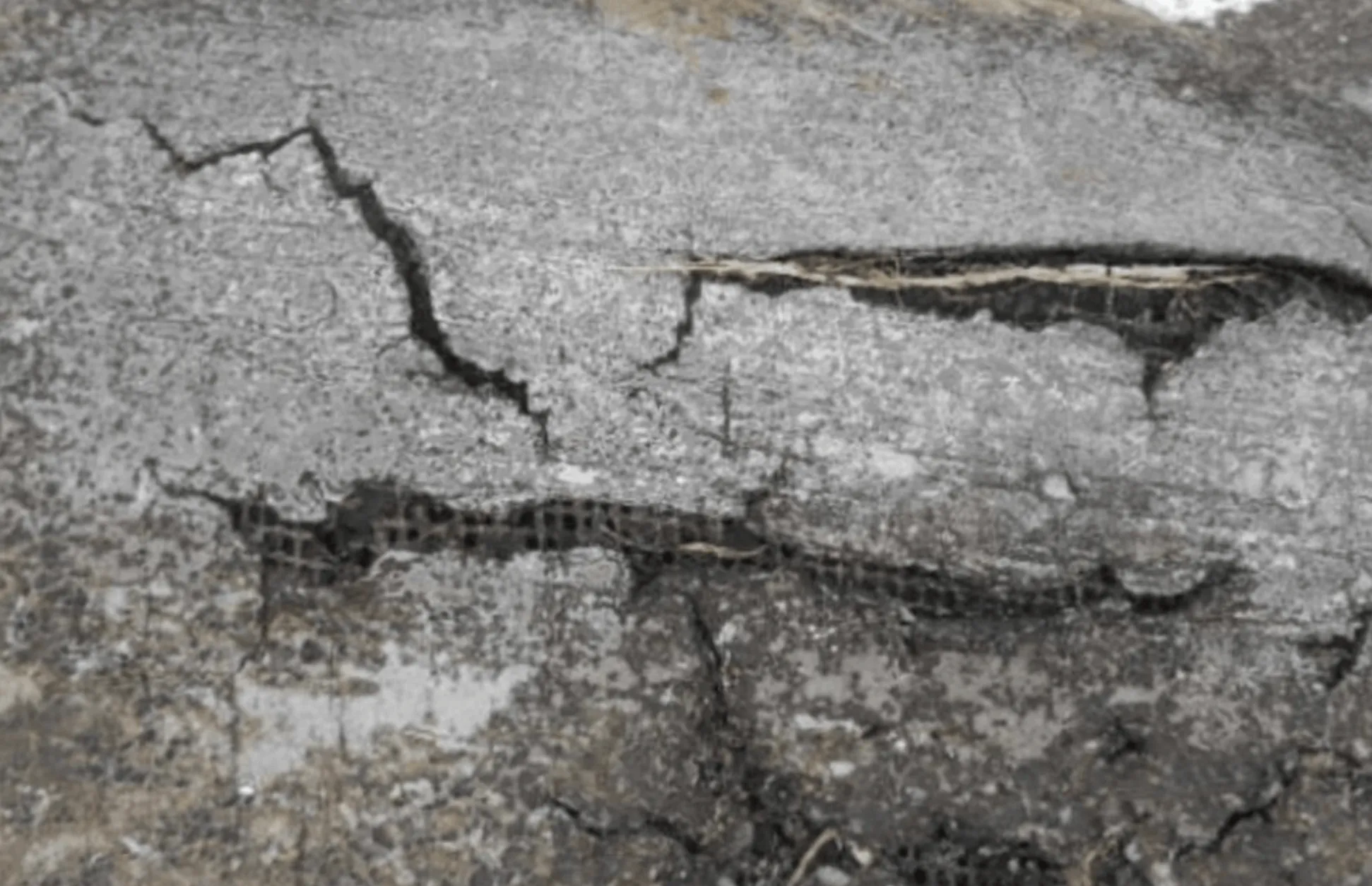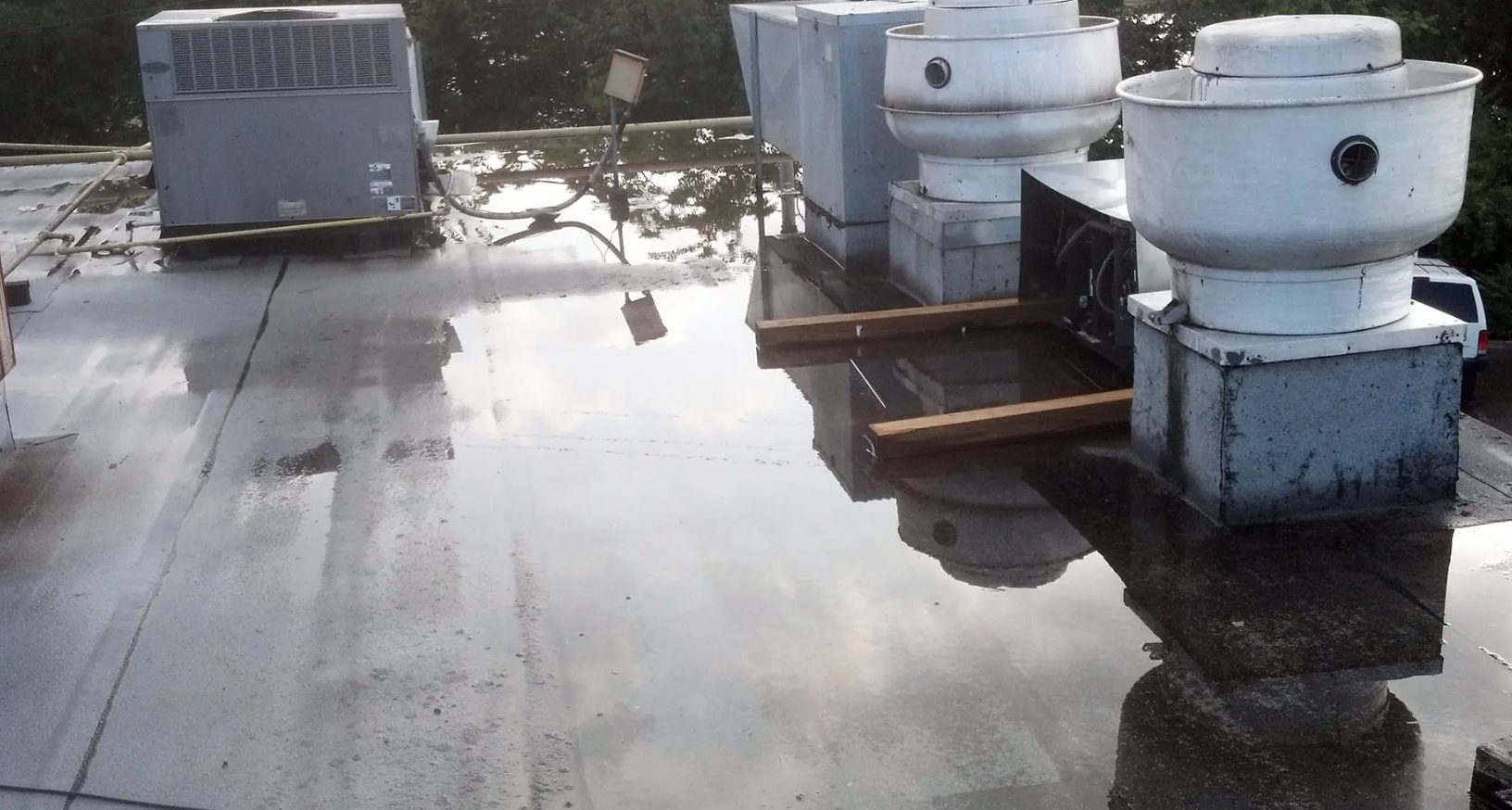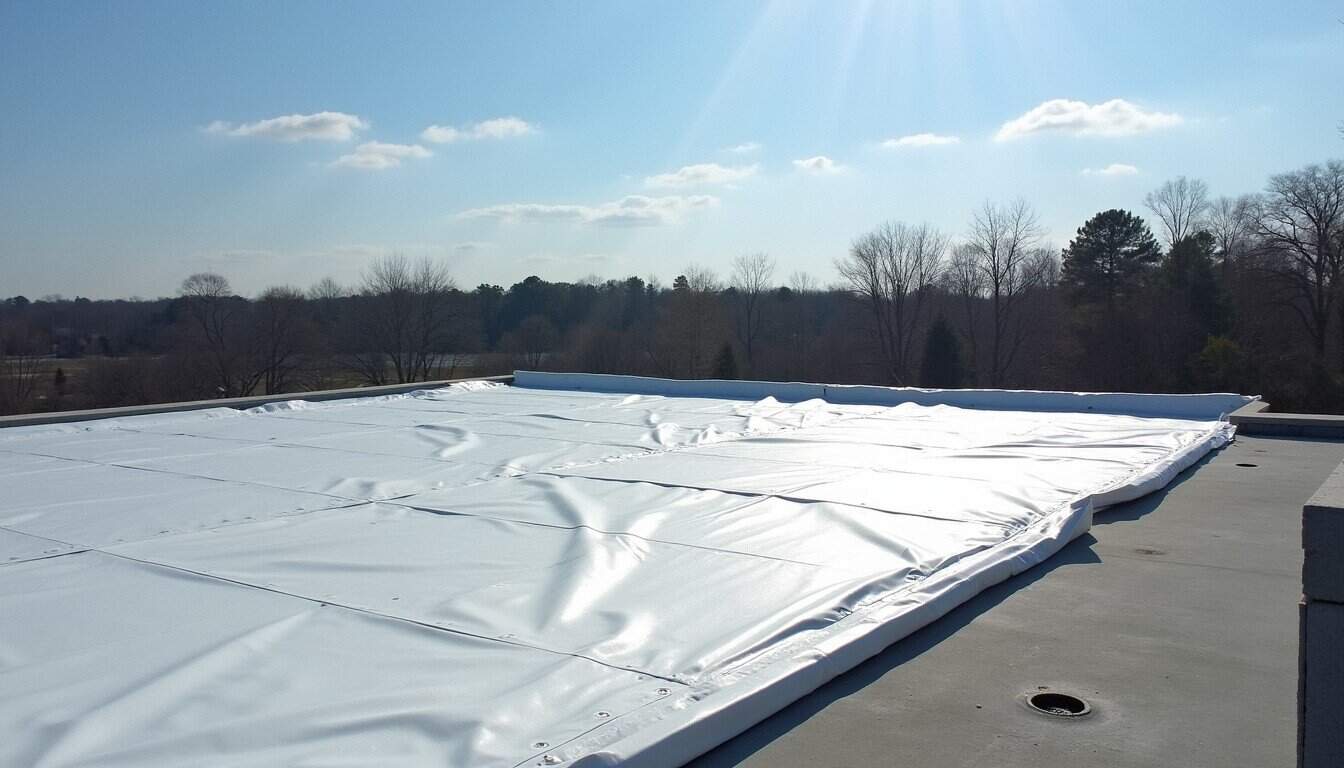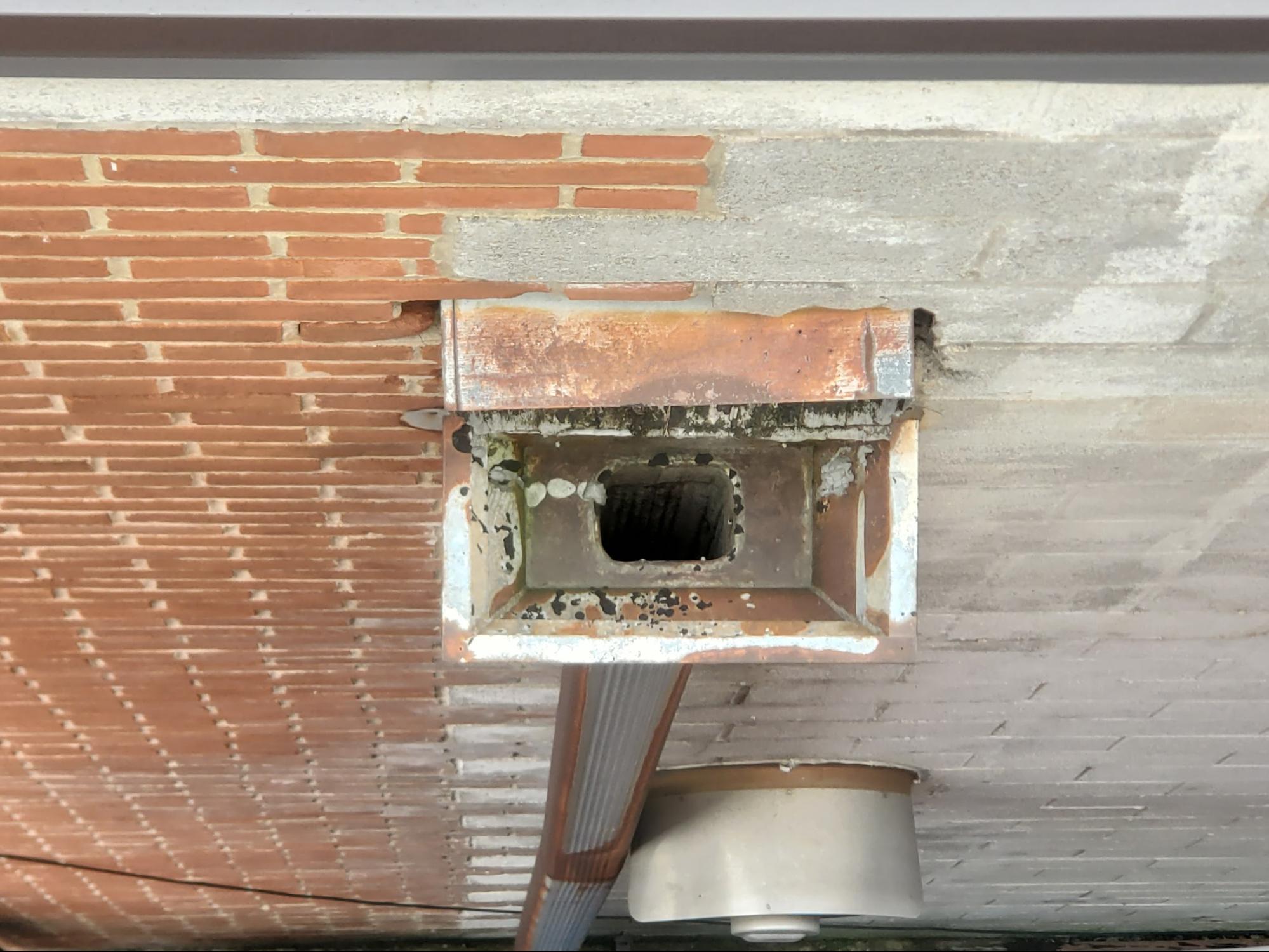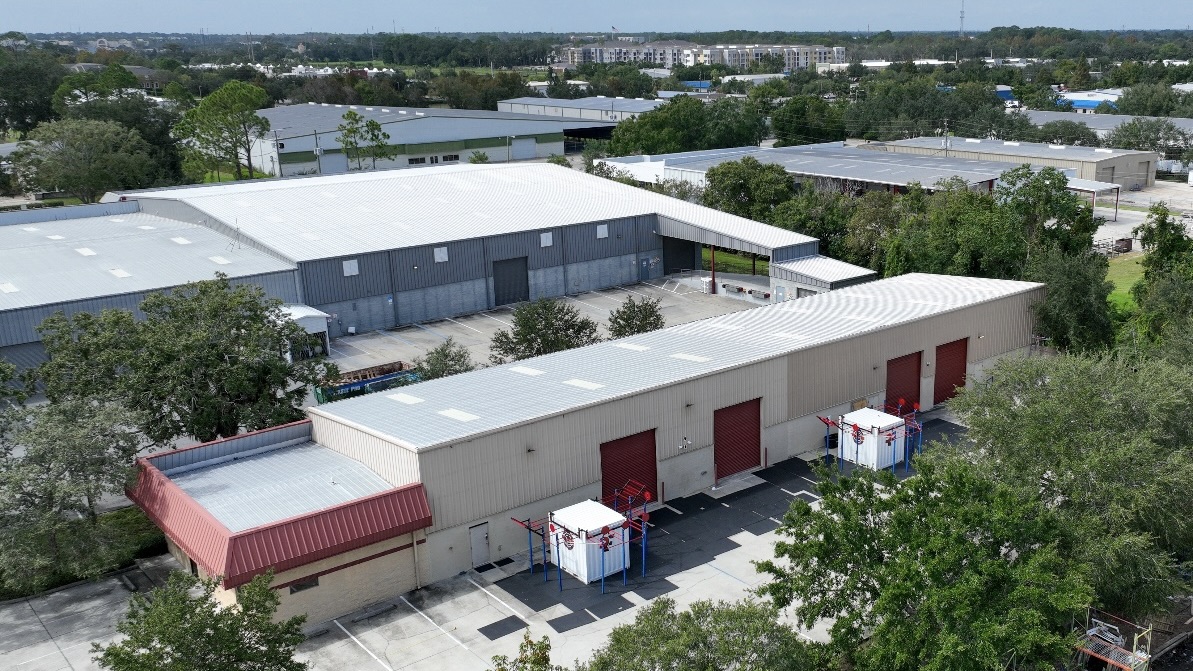
Government and Municipal Building Roofing starts with the actual roof condition.
Baltimore's government building stock is among the oldest and most architecturally varied of any American city, encompassing Baltimore City Hall — a Second Empire masterpiece completed in 1875 and a National Historic Landmark — the War Memorial Building, the Clarence M. Mitchell Jr. Courthouse, 45 Baltimore City Fire Department stations ranging from Victorian-era masonry houses in South Baltimore to modernist structures in the Northeastern District, and the Enoch Pratt Free Library's Central Branch on Cathedral Street along with 20 neighborhood branches spread from Brooklyn to Hamilton. Baltimore City's procurement process operates under Article 5 of the City Code, administered by the Board of Estimates, which must ratify all construction contracts above $50,000, and the Board's requirement for formal agenda placement at least two weeks before award creates a scheduling constraint that contractors must account for when estimating project start dates after bid award.
Maryland's Prevailing Wage Law, codified at MD Code, State Finance and Procurement §17-201 et seq., applies to all Baltimore City public works contracts over $500,000, with the Maryland Department of Labor publishing Prevailing Wage rates for Baltimore City jurisdiction. The rates distinguish between journeyman roofers, roofer apprentices, and waterproofer classifications in ways that create misclassification exposure for contractors who assign waterproofing or flashing work to roofer wage classifications. Baltimore City's Department of Finance monitors payroll compliance on covered contracts, and the city has historically been aggressive about pursuing debarment proceedings against contractors with repeated wage violations — a consequence that reflects both the political prominence of labor relations in Baltimore's municipal governance and the city's interest in protecting union wage standards in the construction trades. We submit pre-project wage classification plans to the Finance Department before mobilization to obtain written agreement on which classification applies to each scope element, avoiding the retroactive reclassification disputes that generate the back-pay claims the city pursues.
Baltimore City Hall's National Historic Landmark status imposes the most stringent preservation review standard in American historic preservation law — federal undertakings affecting NHL properties must be treated with special care under Section 106 of the National Historic Preservation Act, and the Maryland Historical Trust's State Historic Preservation Officer sends NHL consultation letters to the Advisory Council on Historic Preservation for any project affecting a landmark's character-defining features. The Second Empire mansard roof with its zinc-coated iron cresting and dormer windows is City Hall's primary character-defining feature, and any re-roofing of the mansard sections requires not just MHT concurrence but ACHP notification and a documented consultation record. We have worked with MHT's review staff on two Baltimore City NHL properties and maintain the documentation methodology — measured drawings, historic material laboratory analysis, and treatment specification justification — that the MHT review process requires before issuing its Section 106 Finding of No Adverse Effect.
Baltimore's Chesapeake Bay-adjacent climate creates a high-humidity roofing environment that accelerates moisture infiltration into improperly lapped or inadequately sealed membrane assemblies. The city averages 43 inches of annual precipitation distributed relatively evenly across months, but the combination of summer humidity — Baltimore averages 70 percent relative humidity in July — and winter freeze-thaw cycling creates condensation risk in roof assemblies that were designed without adequate vapor retarder placement. The Enoch Pratt Library's 1933 Classical Revival main branch and several of the older neighborhood branches have experienced repeated condensation-related insulation saturation that has undermined their roof decks despite multiple membrane replacements over the decades. We use hygrothermal analysis for Baltimore library and historic government building assemblies to determine the dew point location within the assembly and specify vapor retarder placement that actually prevents condensation rather than simply meeting code minimums that were not calibrated for Baltimore's specific humidity profile.
Maryland's Green Building Council requirements and Baltimore's own Sustainability Plan drive energy performance targets for government building re-roofing. The Maryland Energy Administration's EmPOWER Maryland program offers commercial energy efficiency incentives for reflective roof installations, and Baltimore City's Sustainability Plan commits to reducing City building energy consumption by 15 percent by 2030 — a target that makes re-roofing projects a key intervention opportunity since the City's older buildings consistently underperform current energy code minimums. BGE's Smart Energy Savers Program for commercial customers offers per-square-foot incentive payments for ENERGY STAR-qualified roofing on both government and private facilities in Baltimore City, and we prepare the documentation package that BGE requires — product data sheets, installed square footage, pre/post energy use projections — as a standard deliverable in our Baltimore government project closeout package.
Baltimore Fire Department's 45 stations present a preservation and rehabilitation challenge unique among major American fire departments: approximately 30 percent of the active station inventory was built before 1950, and several South Baltimore stations have architectural character that the City's Commission for Historical and Architectural Preservation has documented as eligible for local landmark designation. CHAP's review applies to alterations requiring building permits on eligible and designated properties in Baltimore City, and a Certificate of Approval from CHAP is required before the building permit is issued on covered projects. Our CHAP application experience includes fire station projects where the commission's primary concern was preservation of the station's original brick coursing at parapet terminations — a detail that requires custom-fabricated copper flashing rather than standard aluminum and adds cost that must be anticipated in the bid estimate rather than treated as a change order.
The Clarence M. Mitchell Jr. Courthouse and Baltimore City District Court facilities require contractor security vetting that mirrors the federal courthouse standards applied at the Edward A. Garmatz United States District Courthouse nearby. Maryland Judiciary facilities management requires contractors to provide employee lists with state criminal history check documentation processed through the Maryland State Police's Criminal Justice Information System 30 days before mobilization. We maintain a pre-cleared crew roster for courthouse and justice facility projects in the Baltimore metro area and update it on a rolling 90-day basis so that crew substitutions during long-duration projects can be processed without full restart of the clearance timeline.
Baltimore's transit infrastructure, particularly the Charm City Circulator maintenance facility in the Canton area and the Maryland Transit Administration's Light Rail maintenance yard in the Hampden corridor, involves State of Maryland ownership with City coordination — a dual-jurisdiction complexity that requires contractors to understand both the City's Board of Estimates process and the MTA's procurement framework under Maryland Procurement Regulations Title 21. State-funded MTA facilities trigger Maryland Prevailing Wage requirements regardless of contract amount when the project exceeds the statutory threshold, and MTA's Office of Capital Programming coordinates technical reviews with the City's Department of Public Works on shared infrastructure. We have navigated MTA capital procurement twice for transit facility roofing and maintain the contractor pre-qualification documentation required by MTA's Office of Construction before bids are solicited.