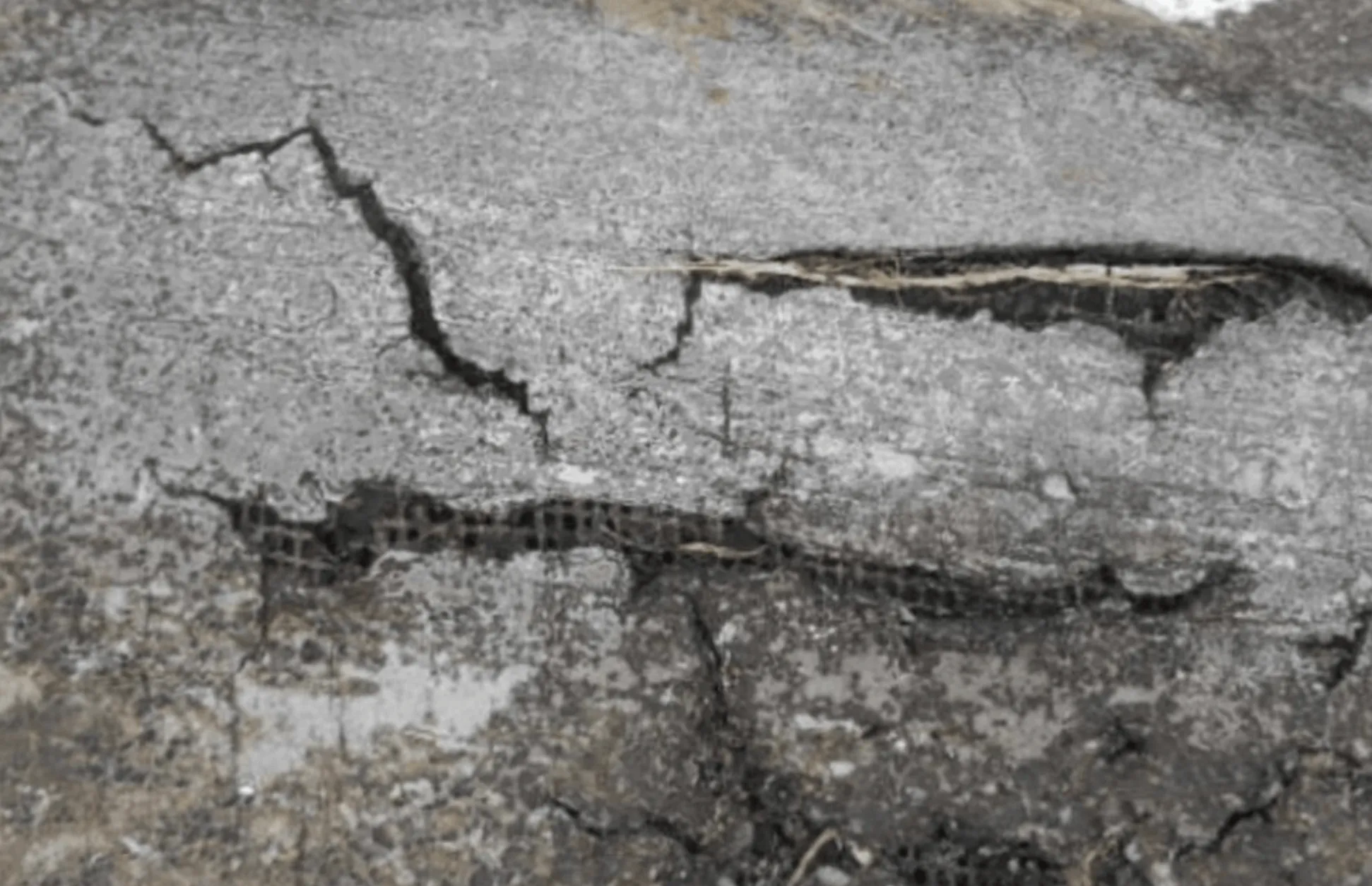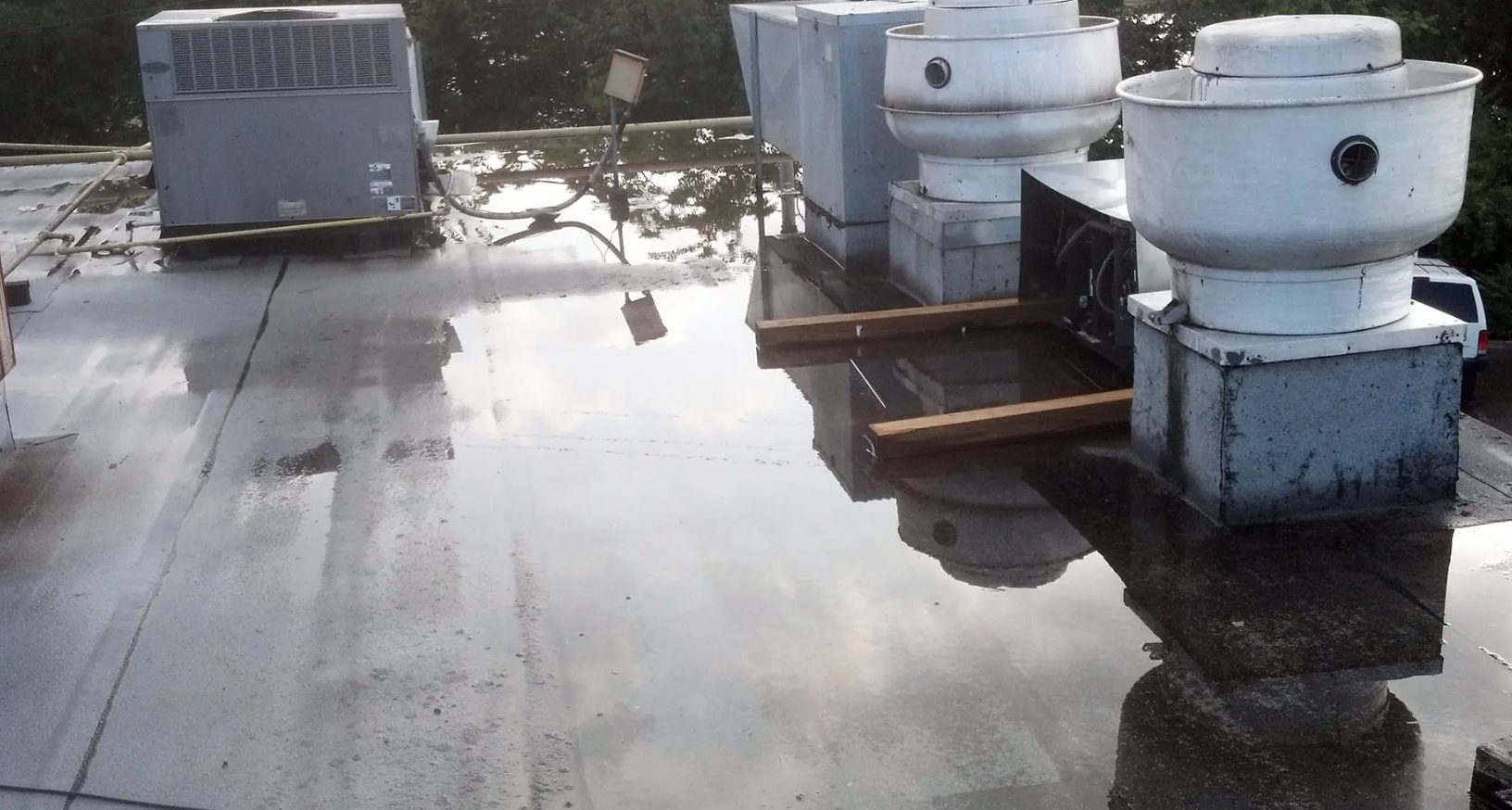
Hotel and Hospitality Property Roofing starts with the actual roof condition.
Baltimore's hotel market is driven by several distinct demand generators that shape occupancy patterns and capital investment timelines in different ways. The Inner Harbor and convention district properties serve a mix of leisure tourism, convention business, and government travel driven by the Baltimore Convention Center. The Johns Hopkins medical corridor in East Baltimore drives significant extended-stay and corporate demand from researchers, clinicians, and pharmaceutical industry travelers. BWI Airport properties serve a high-volume transient market including federal government contractors who need accessible lodging with flexible booking arrangements. Each of these submarkets has different tolerance for and awareness of physical plant condition, but all face the same underlying brand compliance requirements from Marriott, Hilton, IHG, and their respective franchise agreements.
Baltimore's Mid-Atlantic climate creates a demanding roofing environment. The city sees hot, humid summers with afternoon thunderstorms that can deliver localized downbursts, and winters that cycle repeatedly through freezing and thawing temperatures. Ice dam potential on any roof configuration with slope variation is real, and the salt air environment near the Inner Harbor accelerates corrosion on metal roof components — edge metal, pipe boots, equipment supports, and parapet coping fasteners — faster than inland markets. Annual inspections at Inner Harbor properties should specifically assess metal component condition, as the combination of maritime humidity and road salt carried by harbor traffic creates corrosion conditions that interior Maryland hotel properties do not face.
PIPs for Baltimore hotel franchises reflect a market that has seen both significant investment and neglect across its inventory. The Inner Harbor district has received substantial renovation attention as ownership groups have recognized the demand potential of the tourism and convention market. But portions of the East Baltimore and suburban hotel stock reflect deferred maintenance that accumulated during periods of ownership instability. When Marriott or Hilton issues a PIP ahead of a license renewal, roofing scope items on these older properties often represent the culmination of a decade of minimal investment. Establishing a realistic remediation budget and timeline before the PIP response deadline allows ownership to engage constructively with the brand rather than defensively.
Guest satisfaction implications of roofing failures are particularly significant at Baltimore's Inner Harbor properties, where leisure guests have planned specific experiences — the National Aquarium, Fells Point, Orioles or Ravens game visits — and are documenting their trips on social media. A water intrusion event at a harbor-view hotel during peak summer tourism, when occupancy is high and rate premiums are substantial, generates disproportionate review damage. TripAdvisor and Google reviews mentioning ceiling leaks or water stains are indexed and visible for years after the physical repair is completed, meaning a single maintenance failure creates a marketing problem with a much longer tail than the repair cost would suggest.
Scheduling roofing work at Baltimore hotel properties requires coordination around the Orioles and Ravens home game calendars, convention center events, and the summer Inner Harbor tourism peak. Camden Yards events and M&T Bank Stadium games fill hotel rooms across the entire Inner Harbor district, and any exterior work visible from the harbor or affecting access to parking and hotel entrances creates guest experience issues during these high-value periods. The most workable project windows fall in early spring before baseball season and late fall after football season wraps. Extended-stay properties near Johns Hopkins maintain year-round occupancy from the medical research community, requiring noise-sensitive scheduling regardless of season.
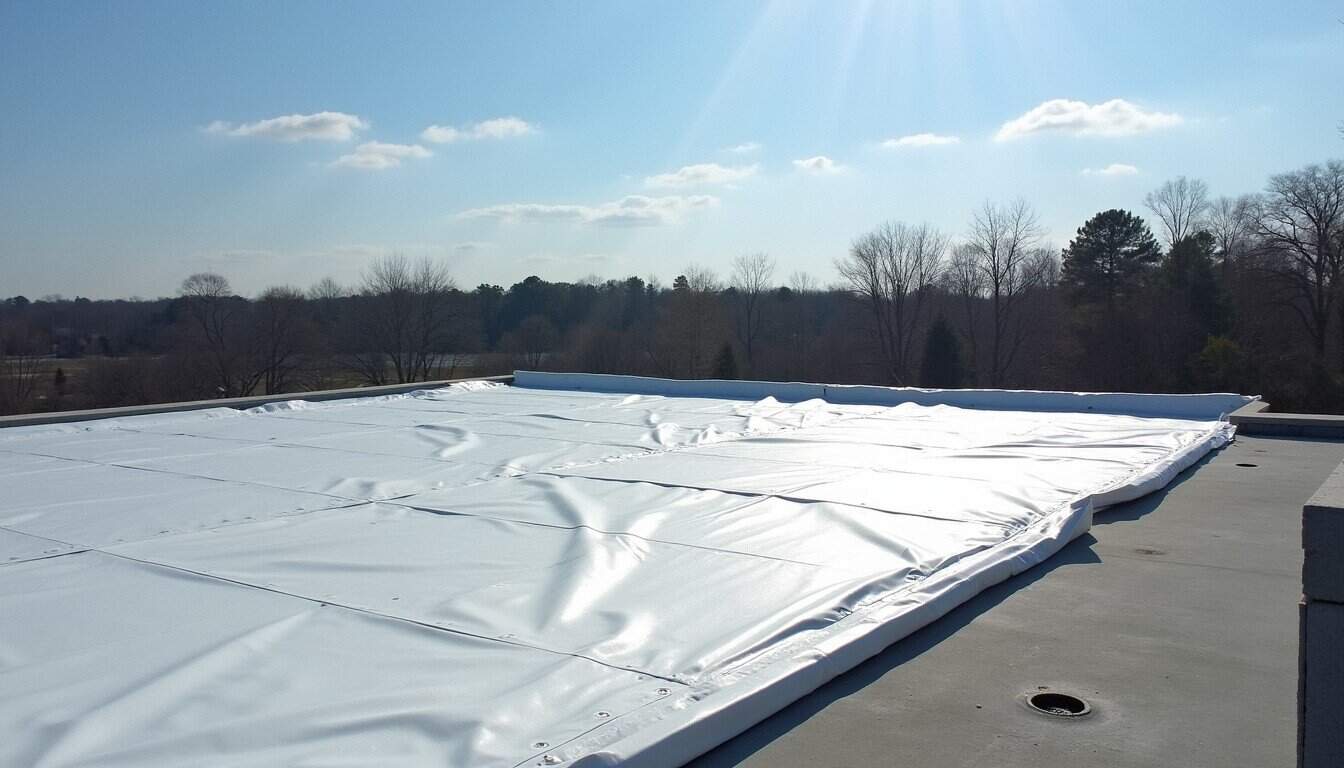
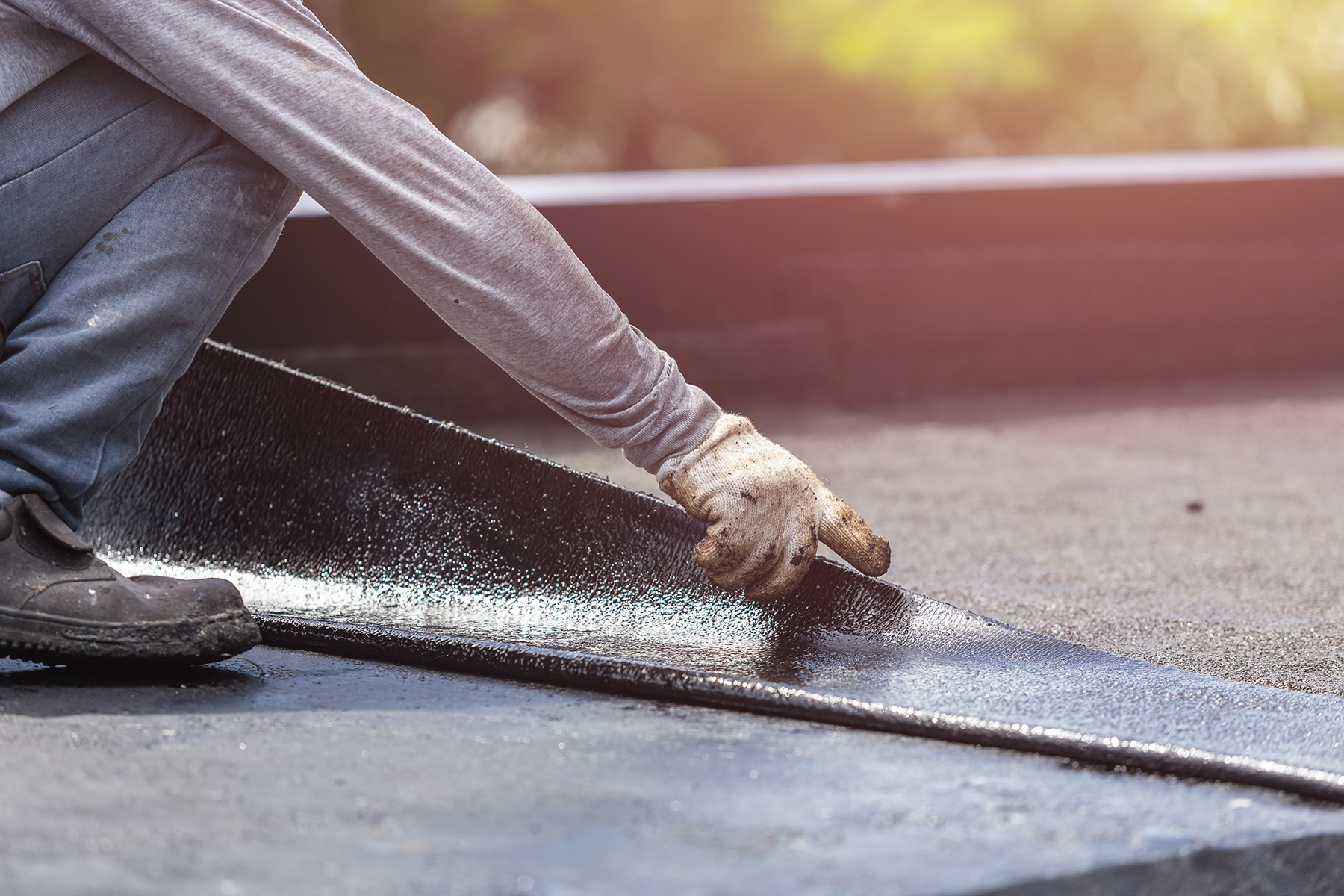
Low-slope membrane systems for Baltimore hotel properties need to address winter freeze performance alongside summer heat and humidity demands. TPO with reinforced seams and a minimum 60-mil thickness handles Baltimore's freeze-thaw cycling well when properly detailed at penetrations and parapet walls. EPDM continues to appear on older Inner Harbor properties where recover projects have layered new membrane over original installations, and the compatibility of new EPDM splicing adhesive with aged original membrane requires verification before any repair work is performed. Modified bitumen with granulated cap sheets is frequently used on older properties where the roof configuration includes multiple equipment curbs and where the contractor's ability to detail penetrations needs the adaptability that sheet-applied systems provide.
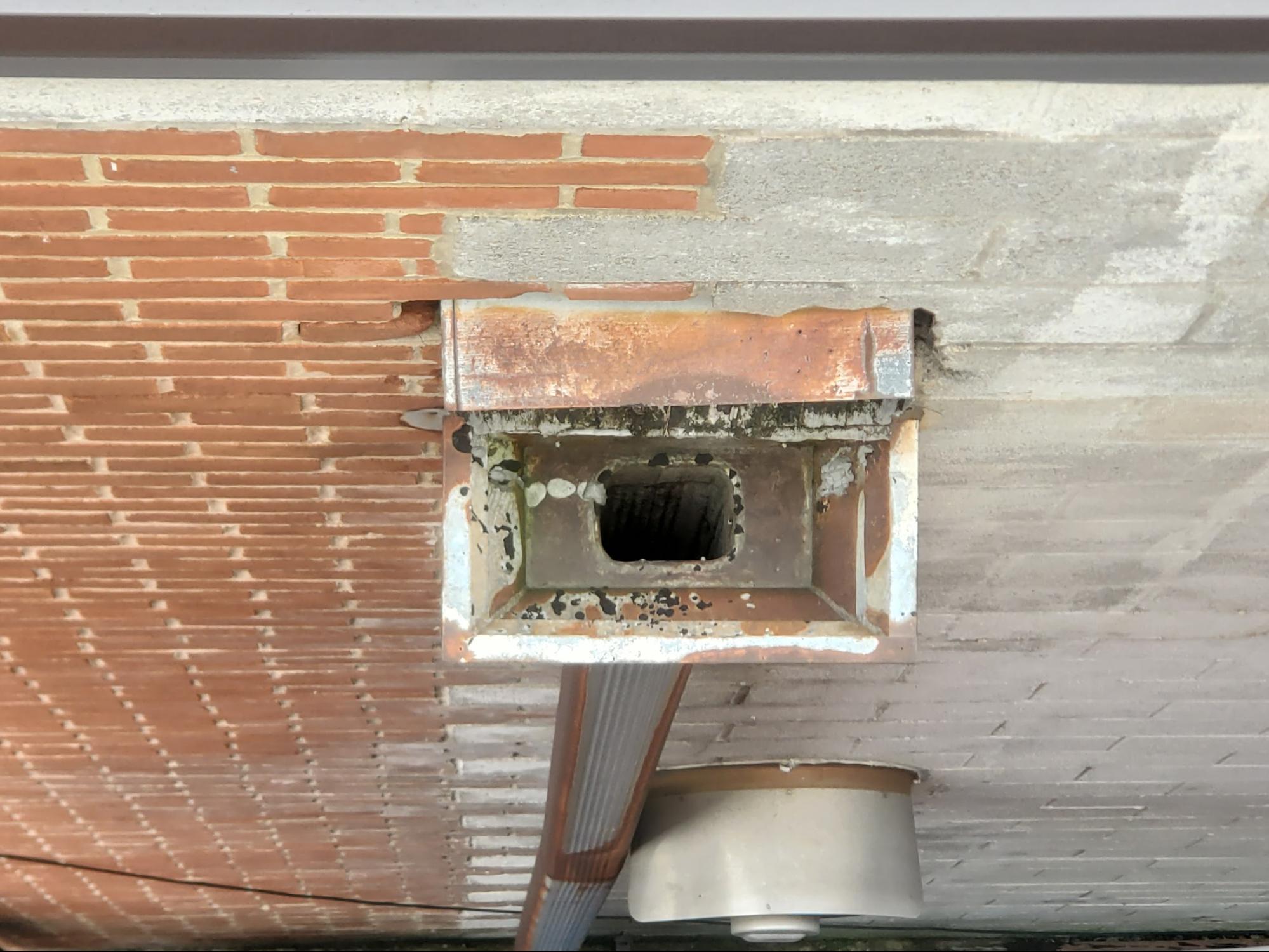
Salt air corrosion management at Inner Harbor hotel properties requires specific attention during roofing inspections. Steel pipe supports for rooftop HVAC equipment, galvanized metal conduits, and standard steel fasteners on equipment screens all corrode faster near tidal water than at inland sites. Stainless steel fasteners, aluminum or galvanized replacement coping, and corrosion-inhibiting coatings on metal roof components should be specified during any replacement project at harbor-adjacent properties. A five-year-old installation that appears to be on schedule for a 20-year service life at a suburban property may be showing meaningful corrosion at a harbor-front hotel that warrants an earlier inspection and potential component replacement.
Emergency repair response during Baltimore's peak summer season requires contractors who maintain 24-hour dispatch capability for the Inner Harbor district. Summer afternoon thunderstorms can arrive with minimal warning and deliver wind gusts that damage roof edge metal and temporarily overwhelmed drainage systems on properties that may have partially blocked drains from spring debris accumulation. A contractor who can respond within two to four hours of a storm event, assess temporary protection needs, and protect the interior of a fully occupied hotel from secondary water damage provides tangible value that a property-specific service agreement secures. During the baseball and football seasons, when demand competes with restaurant and entertainment options for contractor labor on weekends, an established service relationship guarantees dispatch priority.