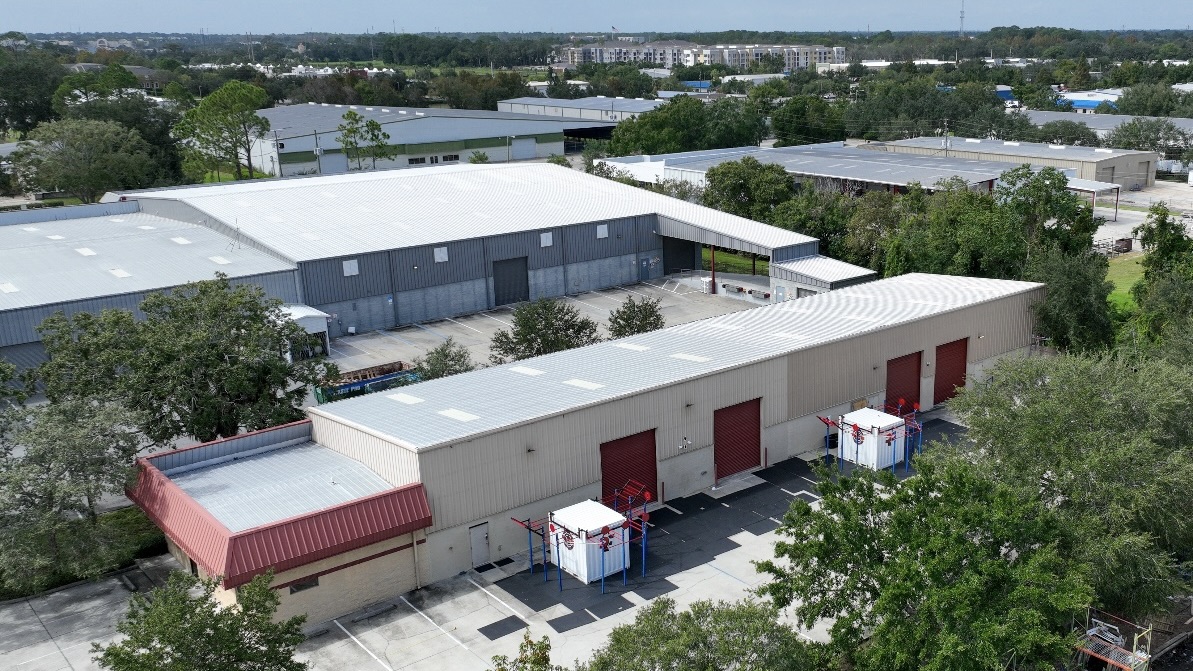
Office Building Roofing starts with the actual roof condition.
T. Rowe Price's global headquarters campus in Baltimore's Harbor East district — a signature Class A office development that anchors the city's premium commercial real estate market — along with the Bank of America building, Transamerica Tower, and the major Class A office inventory along the I-695 outer loop in Pikesville, Towson, and Columbia represents the breadth of Baltimore's commercial office market and the sophisticated occupied-building roofing demands it generates. Maryland's climate, state energy code, and the institutional quality of Baltimore's major office tenants combine to create a high-expectations environment for commercial roofing contractors.
Occupied-building protocols in Baltimore's Class A market reflect both the institutional tenant expectations and the physical complexity of working on urban mid-rise buildings in the Inner Harbor and downtown districts. Crane permits in Baltimore City require coordination with the Department of Public Works, Baltimore City Transportation, and sometimes the Maryland Port Administration for Harbor-adjacent properties. Staging in the dense urban core around Harbor East and the CBD requires advance planning for material deliveries that avoid morning rush hour restrictions and comply with Baltimore City's noise ordinance for construction activity near residential zones.
Multi-RTU HVAC coordination on Baltimore office buildings must account for the city's four-season climate, which means HVAC systems are critical in both summer cooling and winter heating modes. Experienced Baltimore commercial roofing contractors plan RTU work to minimize downtime in both seasons — a summer disconnect strategy that works for cooling-season scheduling may require supplemental heating arrangements in winter. Major T. Rowe Price campus building management staff, along with those at other major Baltimore employers, maintain detailed equipment schedules that roofing contractors must work within to avoid disrupting financial industry operations that run on precise schedules and have low tolerance for physical plant disruptions.
Green roof options in Baltimore's Class A office market have been actively pursued for both sustainability and stormwater management purposes. Baltimore's stormwater management requirements — including the Chesapeake Bay-related nutrient management obligations that Maryland imposes on development — create regulatory incentives for green roof installations that reduce impervious surface runoff volume and nutrient loading. Several Harbor East and downtown Baltimore Class A office properties have installed extensive green roofs as part of their LEED certification strategy, combining amenity value for tenants with genuine environmental compliance benefits.
Maryland's commercial energy code references ASHRAE 90.1, and Baltimore falls in Climate Zone 4A, requiring minimum R-25 insulation for low-slope commercial roofs. For the premium Class A office buildings around Harbor East and Inner Harbor — properties with high-profile tenants in the financial services, legal, and healthcare industries — specifications of R-30 to R-35 are common to address both energy performance and occupant comfort on upper floors. BGE (Baltimore Gas and Electric) has offered demand response and commercial efficiency programs that benefit office buildings with reduced peak cooling loads, creating financial incentives that improve the ROI calculation for above-code roof insulation.
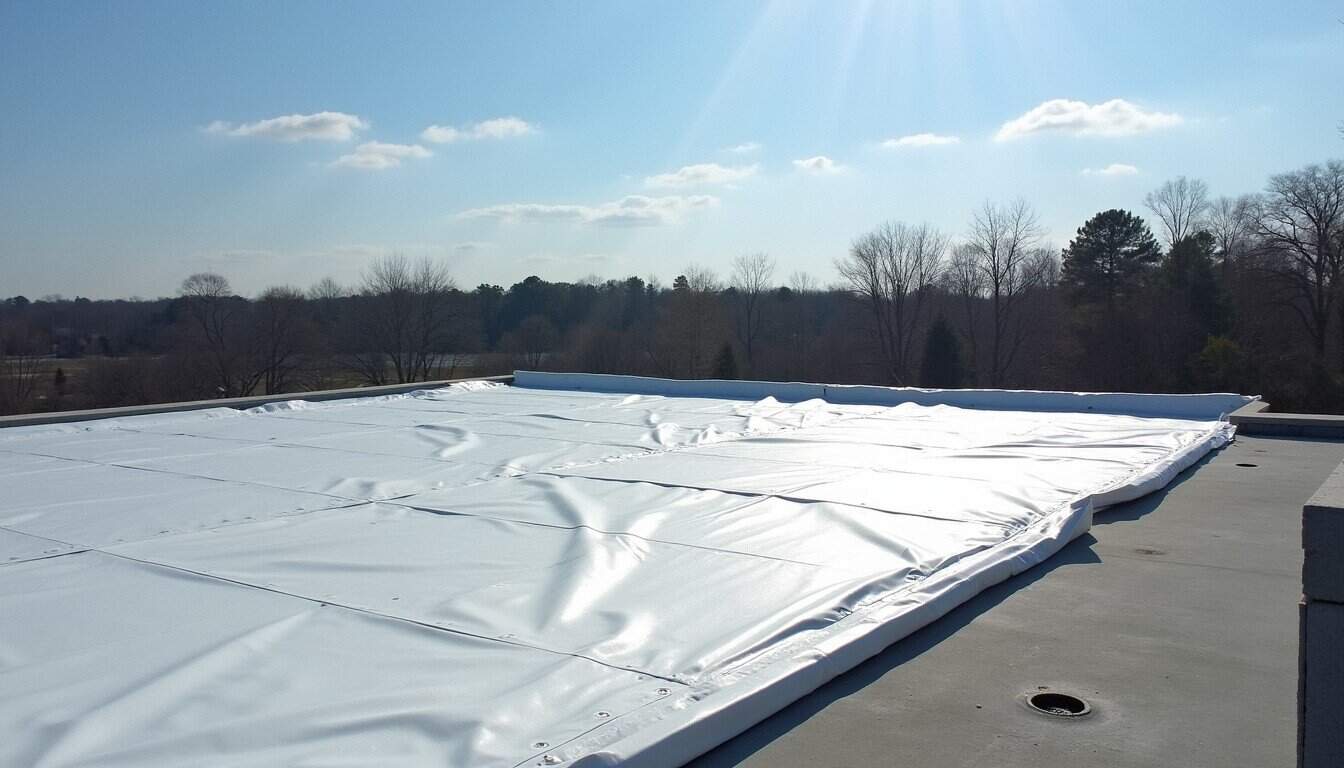
Reflective membranes for downtown Baltimore office buildings address both the urban heat island effect — which is significant in Baltimore's dense urban core — and the cooling-season energy cost management that Class A property owners prioritize. Baltimore's Inner Harbor and downtown districts have invested significantly in physical plant upgrades as part of the city's ongoing commercial real estate revitalization, and cool roof specification has become part of the standard repositioning package for Class A office buildings competing for major tenants in the financial, healthcare, and professional services industries.
Lease renewal protection in Baltimore's office market is particularly relevant in the context of the ongoing corporate footprint right-sizing trend that has affected major financial services and professional services employers across the mid-Atlantic region. T. Rowe Price, CIFC, Legg Mason (now Franklin Templeton), and similar Baltimore financial sector employers make facility decisions that directly affect tens of thousands of square feet of Class A office leasing. Building owners who maintain demonstrably excellent physical plant standards — including documented roof maintenance and warranty coverage — are better positioned when these major tenants evaluate their space decisions.
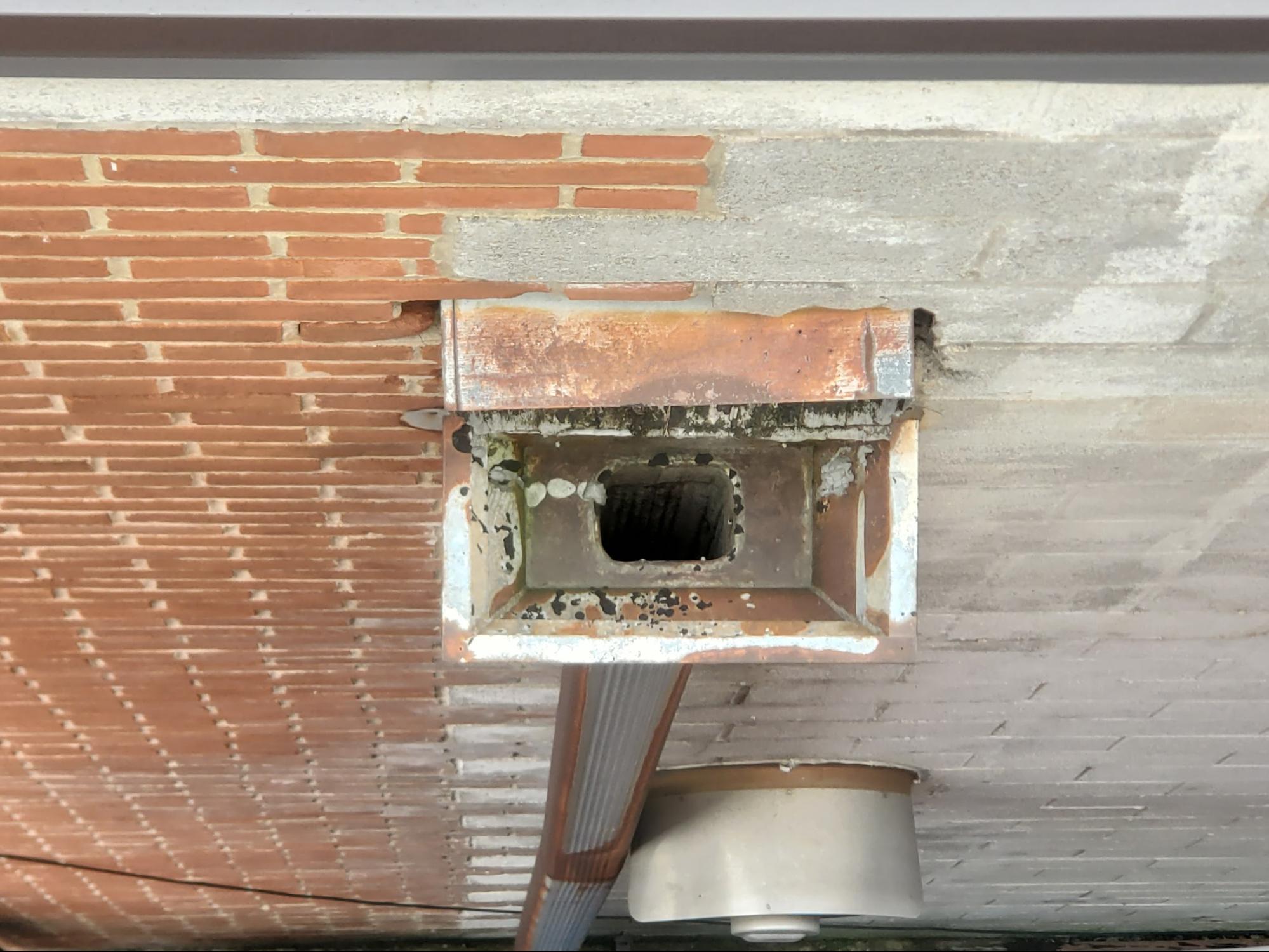
Chesapeake Bay proximity and coastal air exposure create a specific set of maintenance considerations for Baltimore office building roofing. Metal components — parapet cap flashings, edge metal, and equipment curbs — in Baltimore's salt-air environment corrode substantially faster than in inland markets. Annual inspection of all metal components, including identification and treatment of early-stage rust at fasteners and laps, is a standard element of Baltimore commercial roofing maintenance programs for buildings within the corrosive coastal-adjacent zone.