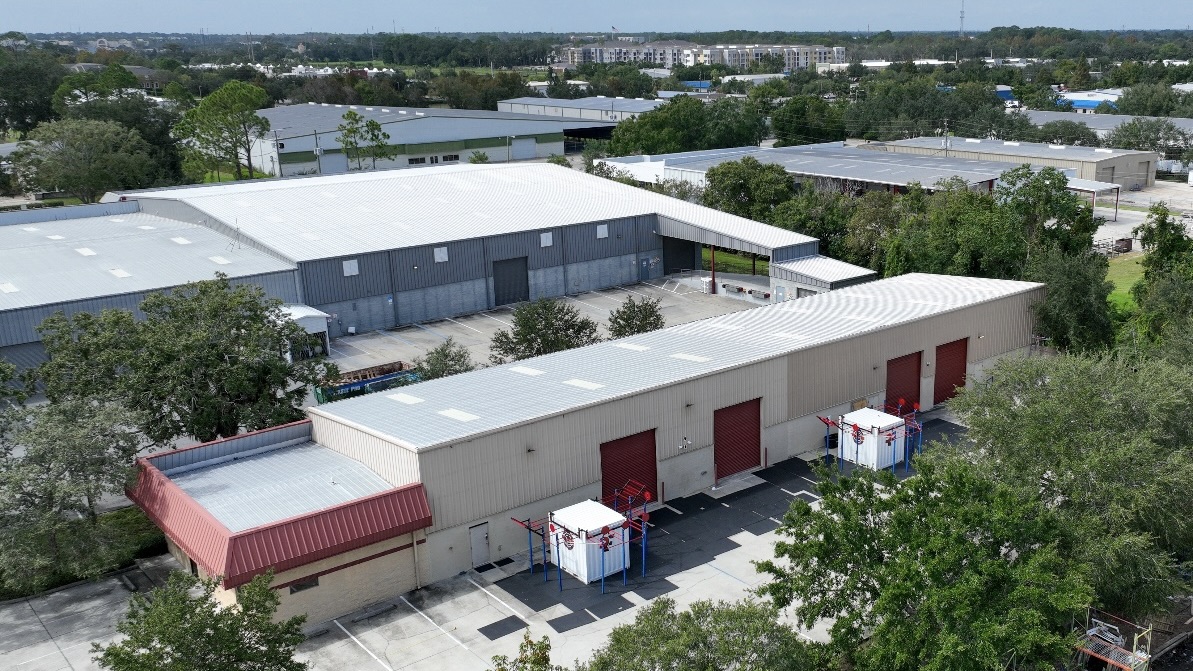
Restaurant and Food Service Building Roofing starts with the actual roof condition.
Baltimore's food service landscape is defined by its waterfront dining along the Inner Harbor and Fells Point, the dense neighborhood bar and restaurant culture of Federal Hill and Canton, and the fast food and casual dining corridors that line Pulaski Highway, Eastern Avenue, and the Baltimore Beltway interchange strips. The city's seafood identity — crab houses, raw bars, and the Maryland crab cake operations that draw visitors from across the mid-Atlantic — creates a specific roofing environment where steaming equipment, high-volume seafood preparation, and the moisture loads of waterfront proximity combine with the demands of conventional kitchen exhaust and fire suppression systems. Commercial roofing for Baltimore food service has to handle a challenging climate that includes hot humid summers, significant winter snowfall, and the freeze-thaw cycling that tests every flashing and penetration detail from November through March.
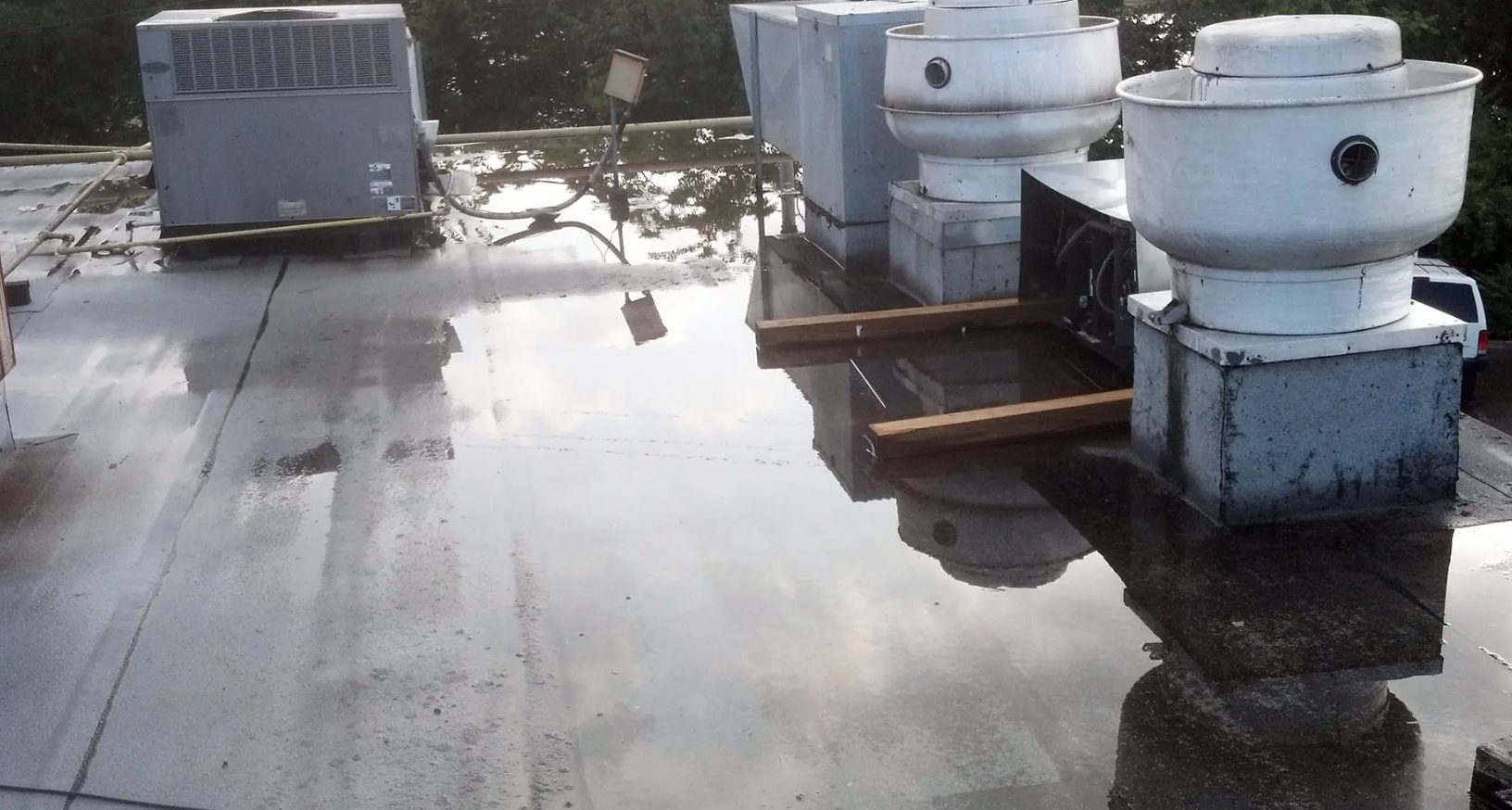
Snow and ice loads on Baltimore restaurant roofs are a genuine structural and waterproofing concern that operators from warmer markets sometimes underestimate. A significant winter storm can deposit twelve or more inches of snow on flat commercial roofs in the Baltimore area, and the freeze-thaw cycling that follows — particularly in March and April when days warm above freezing and nights drop back below — works penetration flashings open in ways that don't appear until the spring rain season reveals active leaks. Grease exhaust penetrations are particularly vulnerable during freeze-thaw events because the grease deposits around them hold ice and moisture against flashing edges through multiple cycles, accelerating the sealant failure that creates entry points for water.
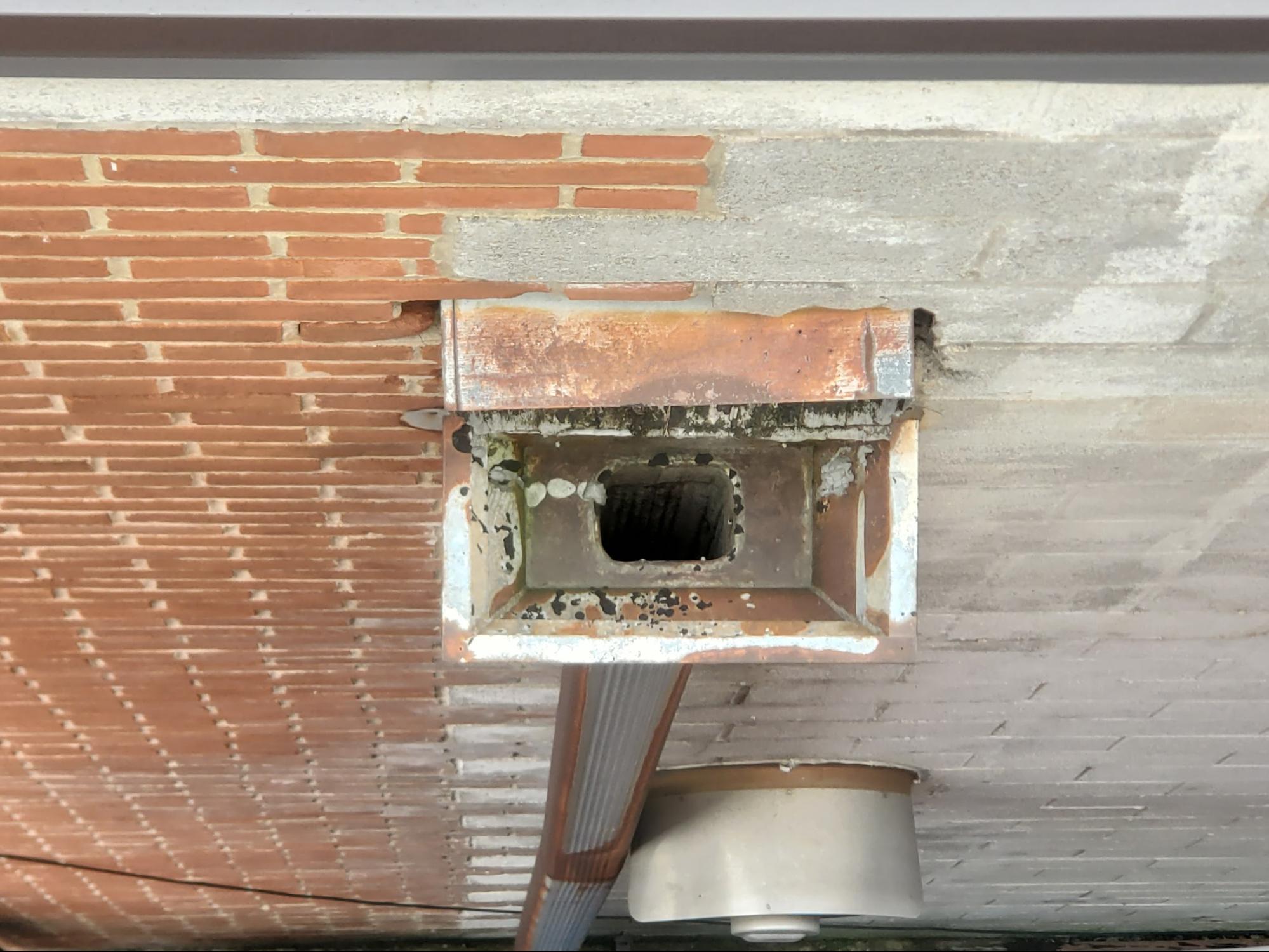
The Chesapeake Bay proximity that defines Baltimore's culinary identity also creates a salt air environment that affects roofing materials and metal components on restaurant buildings east of I-83. Exhaust fan housings, curb cap flashings, pipe boots, and rooftop equipment fasteners exposed to salt-laden air experience accelerated corrosion compared to inland commercial buildings. Stainless steel or hot-dip galvanized metal components at all roof penetrations resist this corrosion far better than standard galvanized products, and specifying marine-grade components for food service buildings in Baltimore's waterfront neighborhoods is a cost-effective way to extend service life without premium material costs throughout the entire roof system.
Baltimore's crab house and seafood restaurant operations generate steam loads that exceed what standard commercial kitchens produce, because steaming large crab orders requires significant continuous heat and moisture output. Buildings that house steamer-intensive operations along the waterfront in Fells Point, the Canton waterfront, and the Inner Harbor area need roofing systems and ventilation curb flashings designed for higher-than-average moisture exhaust volumes. The flashing collars around seafood steam exhaust penetrations should use materials with higher water resistance ratings than standard restaurant applications, and these penetrations should be inspected and re-sealed more frequently — at minimum twice annually.
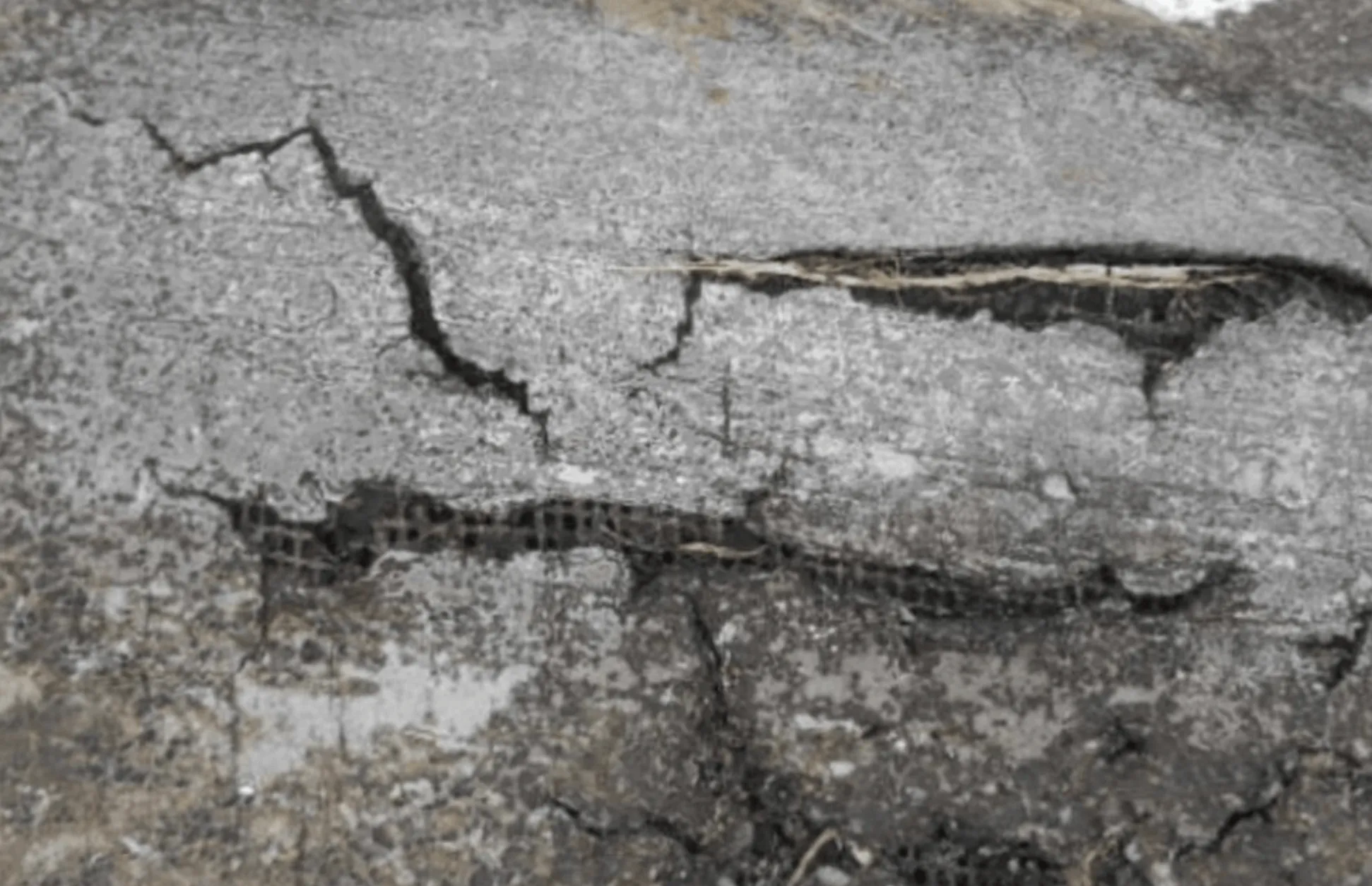
Quick-service restaurant locations along Baltimore's commercial corridors on North Avenue, Reisterstown Road, and Liberty Heights Avenue face roofing challenges common to high-volume urban QSR operations: dense exhaust penetrations, aging building stock where multiple generations of roofing layers have accumulated, and the deferred maintenance pattern that affects buildings in neighborhoods where property investment has historically been constrained. Re-roofing projects in these locations often reveal deck damage from years of minor but persistent leaks that previous owners addressed with reactive patching rather than systematic repair. A complete tear-off and deck assessment is the only reliable way to determine what the new roof system is actually being installed on.
Baltimore's ghost kitchen sector has emerged in neighborhoods including Remington, Hampden, and South Baltimore, occupying former light industrial and retail spaces that offer lower rent than purpose-built restaurant facilities. These conversions require cutting kitchen ventilation penetrations through existing roofs, often without comprehensive knowledge of the existing roof system's condition or remaining service life. Ghost kitchen operators who commission roofing assessments as part of pre-lease due diligence avoid the scenario where they've invested in kitchen equipment installation only to discover the roof requires full replacement before the operation can pass a health inspection for opening.
Maryland's food service health inspection program, administered by Baltimore City's Department of Housing and Community Development in coordination with the Maryland Department of Health, evaluates ceiling conditions in food preparation areas as part of routine inspections. Evidence of water damage, staining, or mold above food prep surfaces is a Category I violation in the Maryland Food Safety Regulations that can result in required closure until documented repairs are completed. Baltimore restaurant operators who experienced the 2021 or 2023 winter storms know that ice dam formation at roof edges can force water under flashings during thaw events — a failure mode that shows up in kitchens, not on rooftops, and triggers exactly the kind of health inspection finding operators need to avoid.
Brewpubs and craft taprooms have become a significant part of Baltimore's food and beverage landscape, with a cluster of operations in the Brewers Hill neighborhood — historically home to the National Bohemian brewery — and additional operations across Hampden, Canton, and the South Baltimore corridor. Brewery operations require roofing systems that manage steam from mash tuns and kettles, CO2 relief from fermentation, and the moisture loads of large-scale production cleaning. Combined with the standard restaurant kitchen exhaust and fire suppression penetrations associated with their food service components, brewery buildings in Baltimore need comprehensive penetration management strategies rather than the reactive maintenance approach that characterizes much of the city's older commercial building stock.