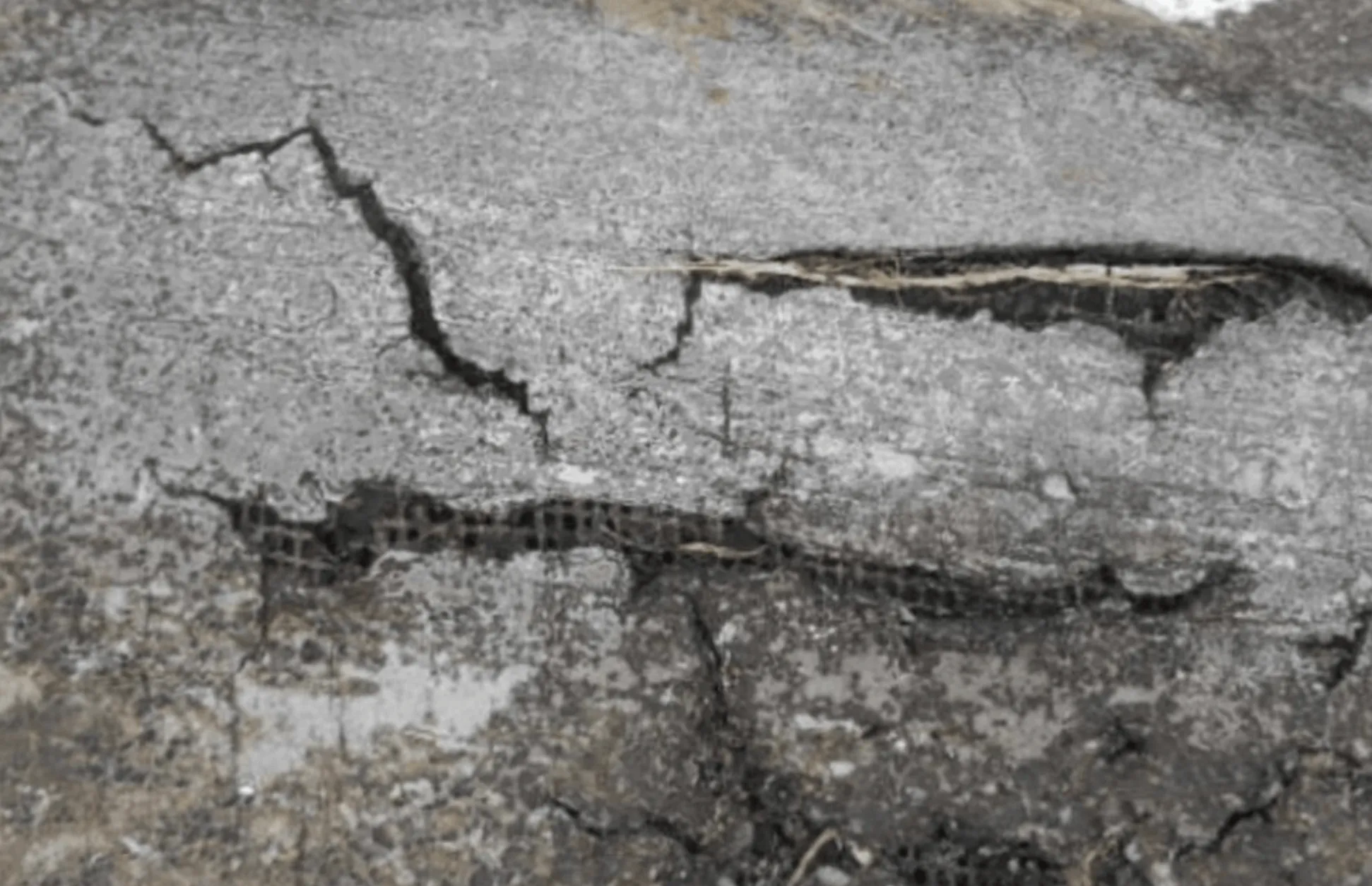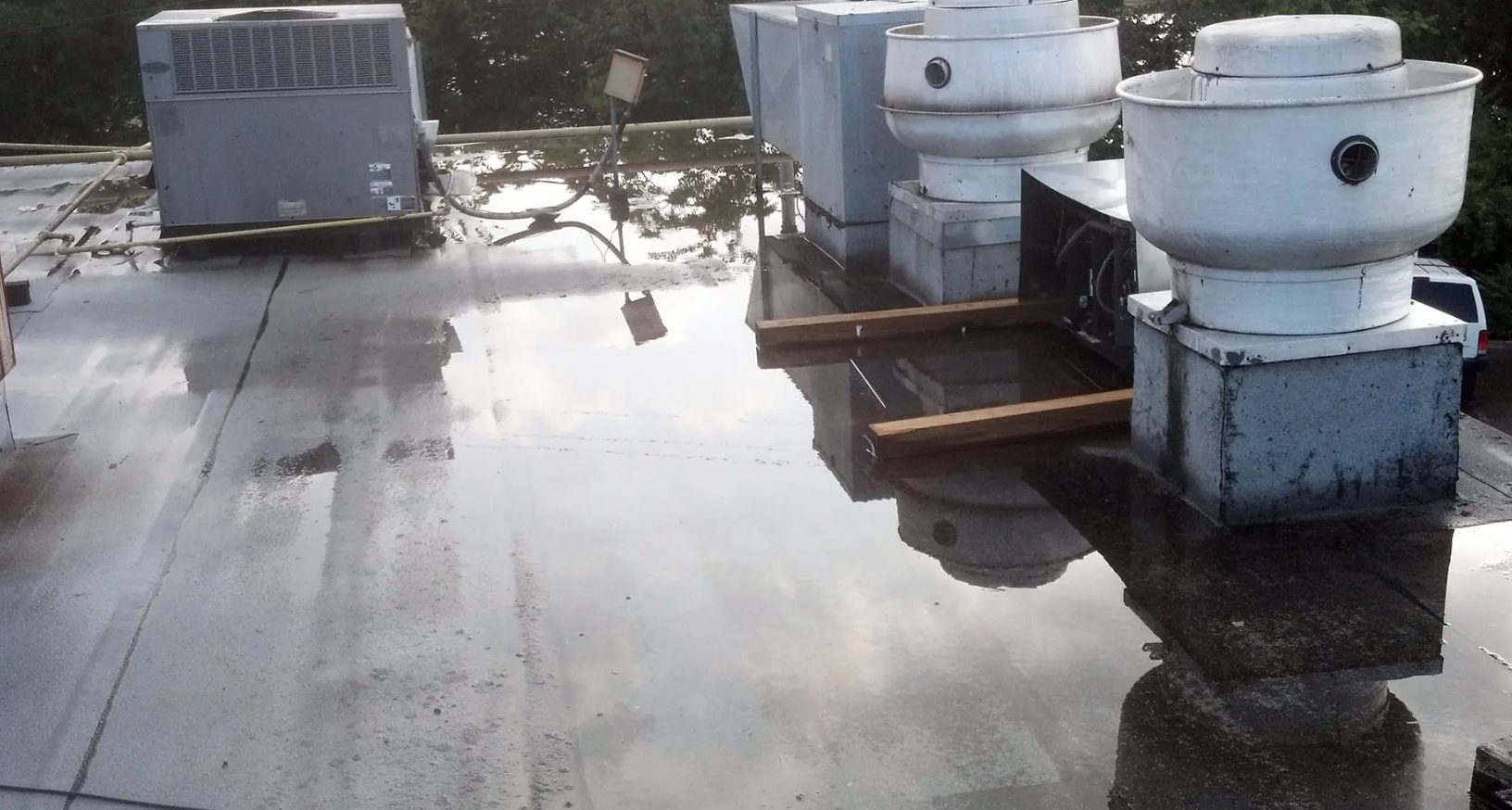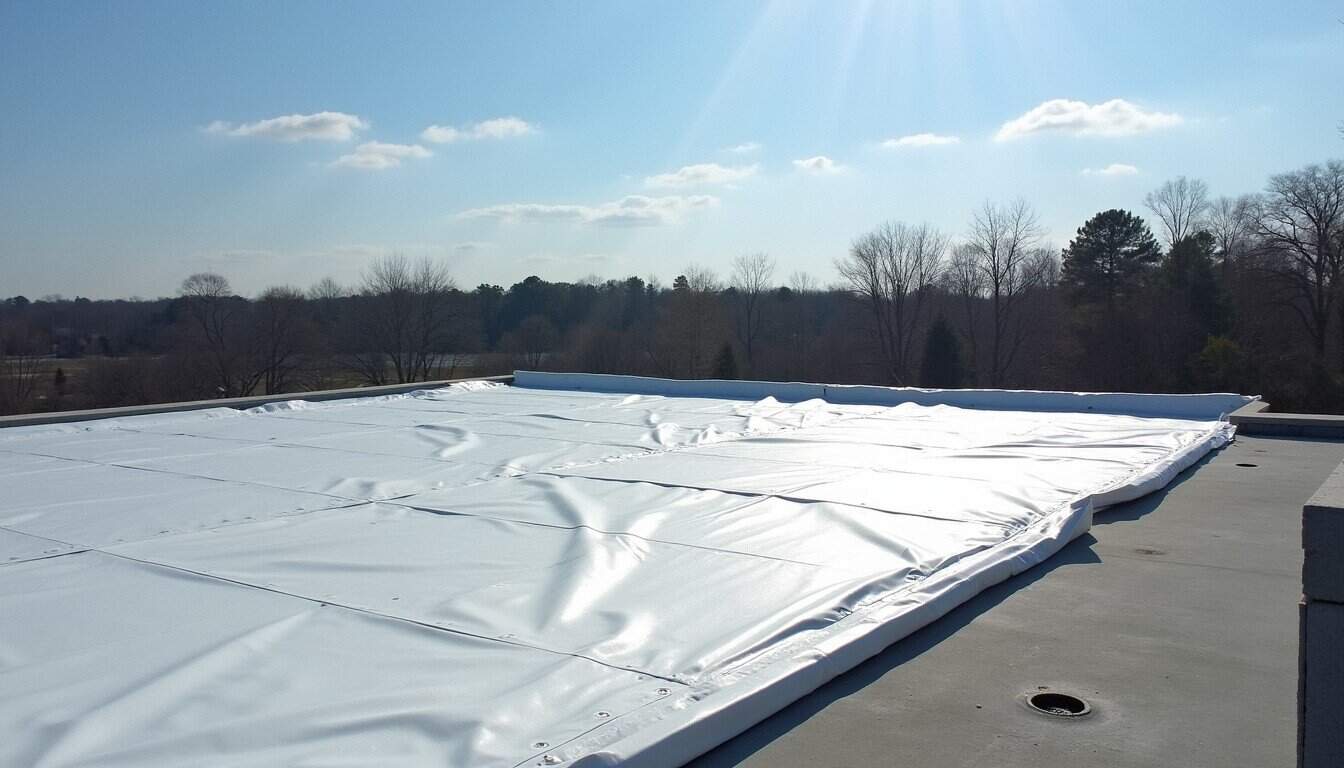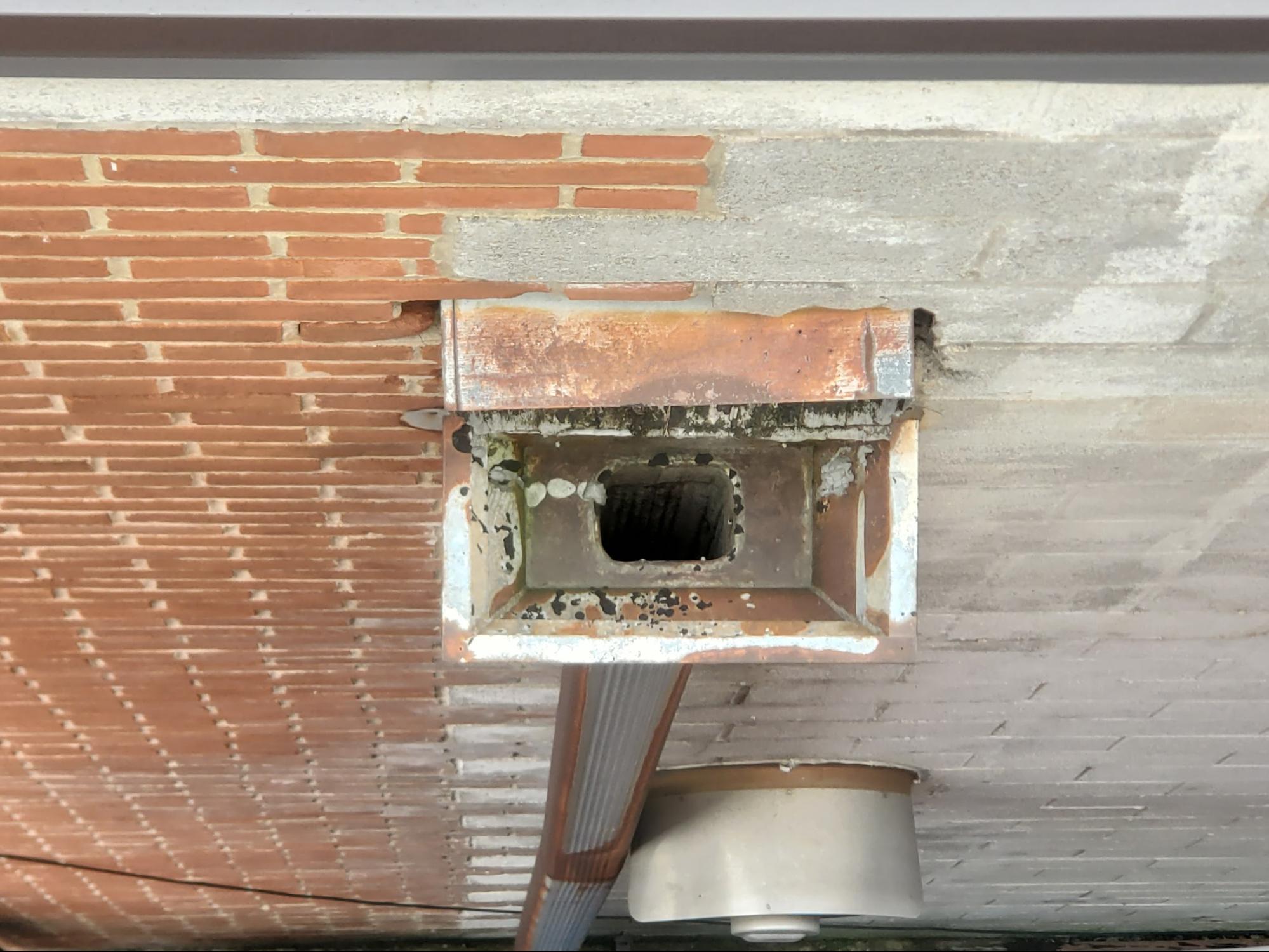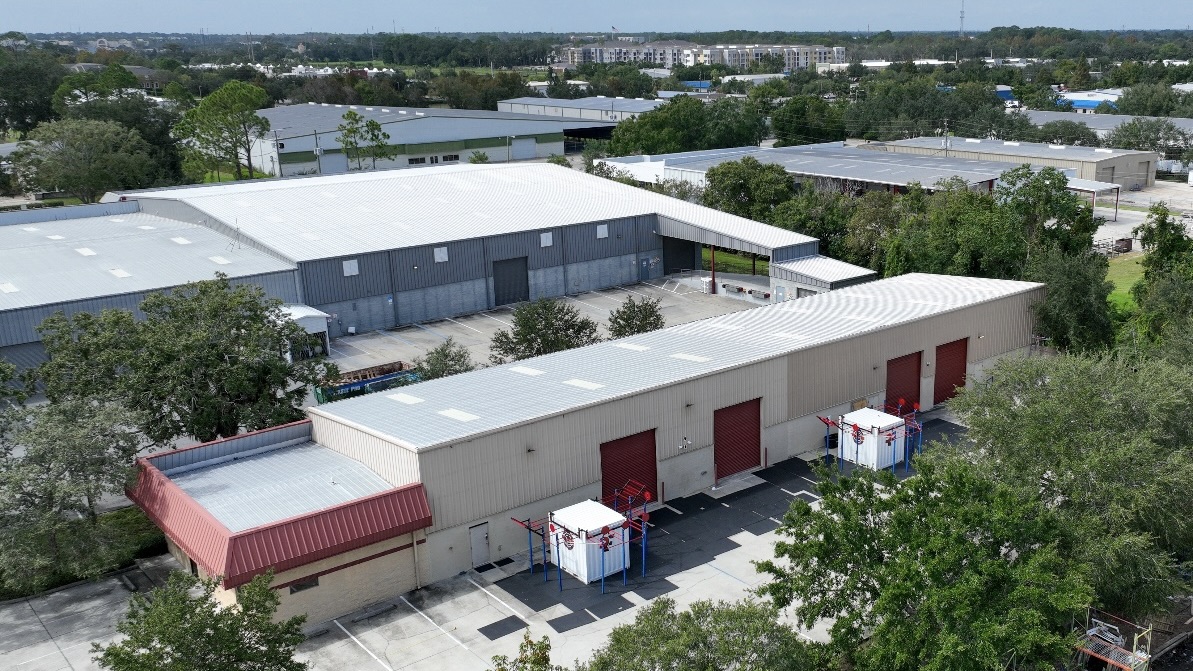
Retail and Shopping Center Roofing starts with the actual roof condition.
Baltimore's retail real estate landscape reflects the city's complex geography of dense urban corridors, inner-ring suburban strip centers, and the larger format retail developments that have expanded along the Route 40 corridor, the Towson Town Center area in Baltimore County, and the Route 1 commercial spine running north from the city line. The metro's retail market spans from the inner harbor's tourism-adjacent shops and the dense Federal Hill and Hampden neighborhood commercial strips to the power centers in Arundel Mills and the Anne Arundel County commercial corridors. Property managers overseeing retail in Baltimore City and the surrounding counties navigate a climate that combines the humidity and summer heat of the Mid-Atlantic with a winter profile that includes significant ice and snow loading that is more serious than southern markets and less forgiving than Midwest properties built to carry regular snow loads routinely.
Baltimore's winter weather presents a genuine roofing risk for retail properties because the region sits at the transition zone where Mid-Atlantic storms regularly deliver ice accumulation on flat commercial roofs. The freezing rain events that hit Baltimore while the western suburbs receive snow and the Eastern Shore gets rain create ice loads on retail rooftops that are difficult to predict and remove safely. Strip centers along York Road in Towson or the retail corridors in Catonsville and Ellicott City have dealt with ice dam and drainage backup situations that produced interior flooding during winter events in a way that warmer southern markets simply don't experience. Proper drainage detailing, overflow scuppers sized for ice obstruction scenarios, and edge metal installation that accounts for ice sliding loads are the engineering elements that distinguish a well-designed Baltimore-area retail roof from one that will fail during the first serious ice event.
The Chesapeake Bay's influence on Baltimore's climate creates a persistent humidity that affects commercial roofing in ways that property managers sometimes don't recognize until problems develop. High relative humidity during the long Mid-Atlantic warm season promotes biological growth — algae, moss, and lichen — on roofing membranes that are not specifically treated or specified for resistance to biological fouling. The organic growth creates surface discoloration that is primarily aesthetic but can, on older modified bitumen surfaces, contribute to membrane degradation over time. More practically, it signals that moisture management on and around the roof is important in this climate, and that roof surface drainage and standing water elimination are priorities that go beyond structural concerns to membrane longevity issues.
HVAC penetration management is a particular challenge on Baltimore's older retail inventory, which includes a substantial stock of neighborhood strip centers and community shopping centers built from the 1950s through the 1980s across both Baltimore City and the inner-ring suburbs. These buildings have accumulated decades of rooftop penetrations as tenants installed and replaced mechanical equipment, and many have original drainage systems that were designed to standards that the city's current development density and impervious surface runoff patterns have rendered inadequate. Re-roofing projects on Baltimore-area retail properties frequently reveal penetration conditions and drainage configurations that require significant corrective work before the new membrane can be installed properly, and contractors who provide accurate scope assessments rather than underbidding to win the work are genuinely more valuable to property managers managing the project.
TPO roofing systems have achieved strong market penetration among Baltimore-area retail property owners because they address the region's specific climate requirements effectively. The membrane's performance in freeze-thaw cycling is superior to older modified bitumen systems, its reflective surface reduces summer cooling loads during the humid Baltimore summers when retail HVAC systems work at sustained high capacity, and manufacturer warranties of 20 years or more are available when certified contractors perform the installation. For property managers at retail centers in the Towson, Pikesville, or Catonsville commercial corridors, specifying a 60-mil TPO system from a major manufacturer with a no-dollar-limit warranty provides the documentation that satisfies both institutional owners and national retail chain tenants' facilities requirements.
National retail chains are significant tenants throughout the Baltimore metropolitan area, from the anchor positions at Towson Town Center and Arundel Mills to the inline and outparcel positions in neighborhood power centers throughout the suburbs. These tenants bring roofing specifications that are specific in their requirements for membrane type, manufacturer approval, installer certification, and warranty structure. Property managers in the Baltimore market who handle institutional-grade retail — the regional malls, major power centers, and the lifestyle retail destinations that attract national tenants — are accustomed to working within these specifications. Those managing older community and neighborhood retail centers where national chain presence is increasing should plan for the additional specification compliance work that comes with leasing to chains that take their facilities standards seriously.
Tenant disruption at Baltimore retail properties involves navigating both the city's distinctive neighborhood retail culture — particularly in the inner suburbs where independent businesses and local service operations dominate strip centers — and the operating hour realities of the major chains. Retail centers along Reisterstown Road or Harford Road in the city's neighborhood commercial zones serve communities where the local barbershop, carry-out restaurant, and beauty supply store represent businesses that cannot casually absorb disruption to their customer flow. Roofing contractors who work the Baltimore retail market understand that a community-oriented strip center requires more direct tenant engagement than a suburban power center where professionally managed national tenants have standard disruption protocols, and they schedule and communicate accordingly.
CAM budget planning for Baltimore-area retail properties should reflect the specific cost patterns driven by the region's climate. The combination of winter storm response costs, biological growth treatment expenses, and the above-average membrane aging rate driven by freeze-thaw cycling creates a higher-than-southern-market baseline for annual roofing maintenance costs. Property managers who build these costs into annual CAM budgets with realistic per-square-foot assumptions — rather than carrying minimal reserves and reacting to each event — deliver better financial predictability to owners and create fewer conflict situations with tenants who scrutinize CAM reconciliations. Roofing reserve funding levels for Baltimore retail should be calibrated to the local climate's actual maintenance requirements, not national averages that obscure regional differences.