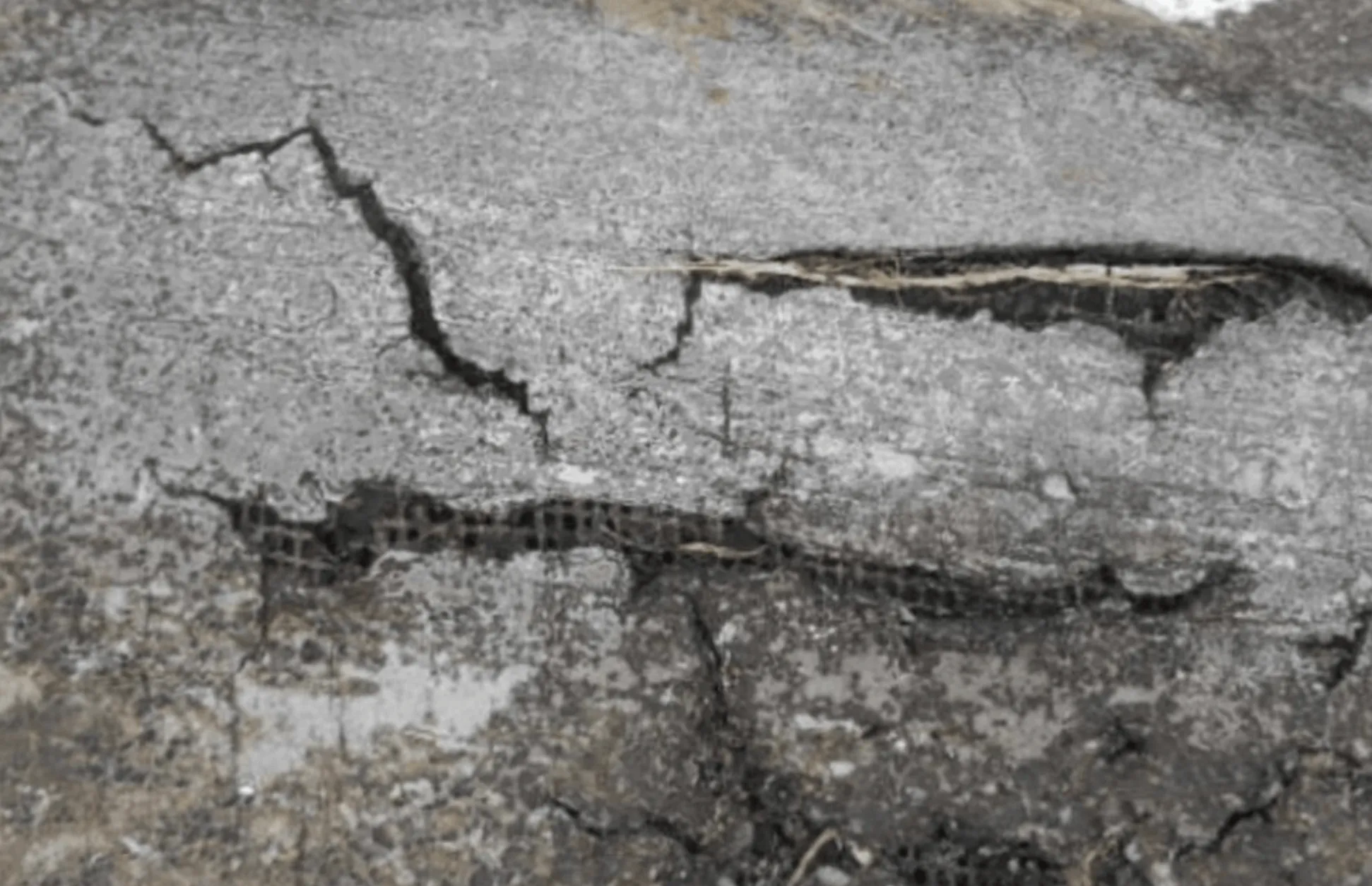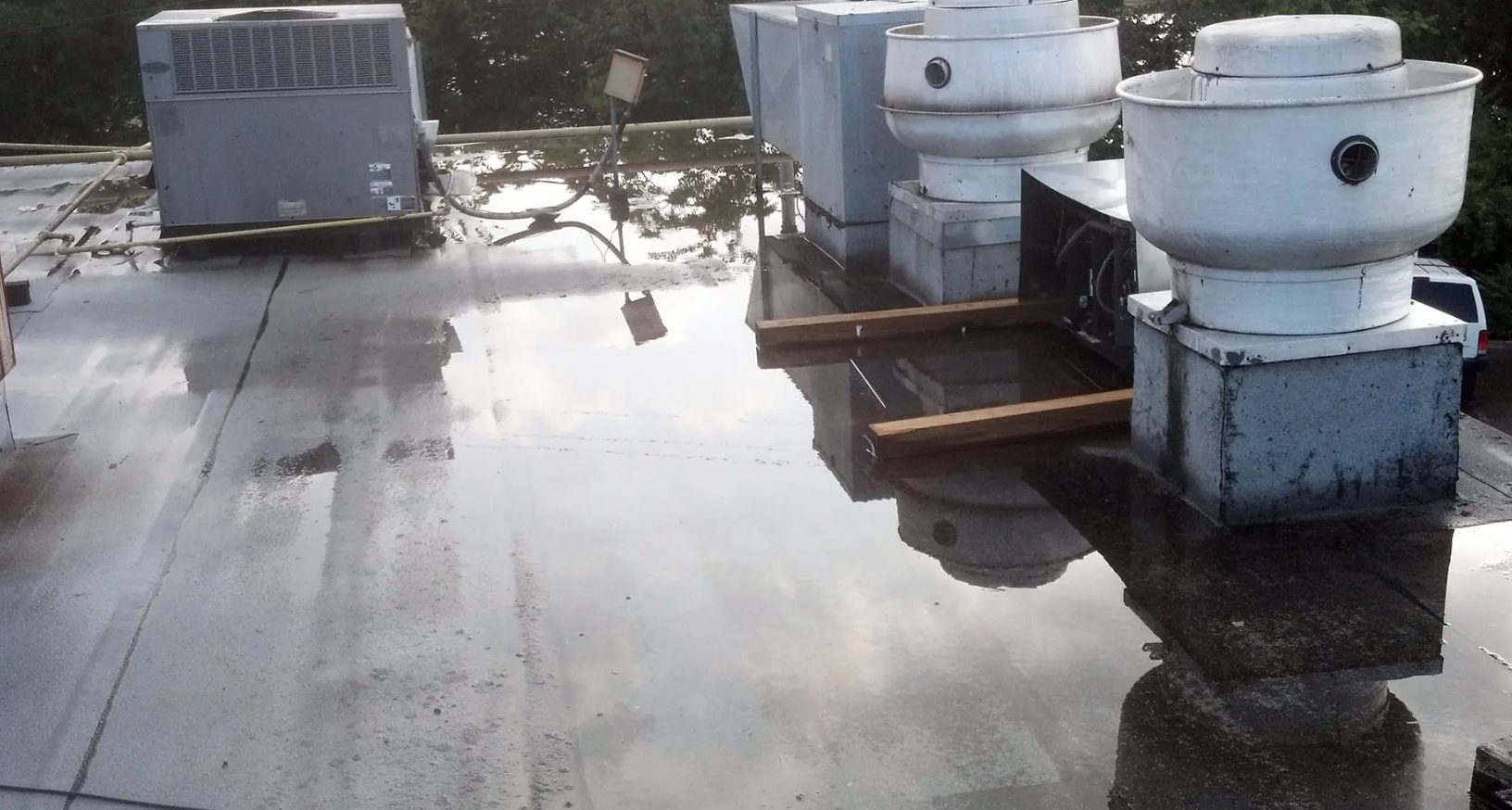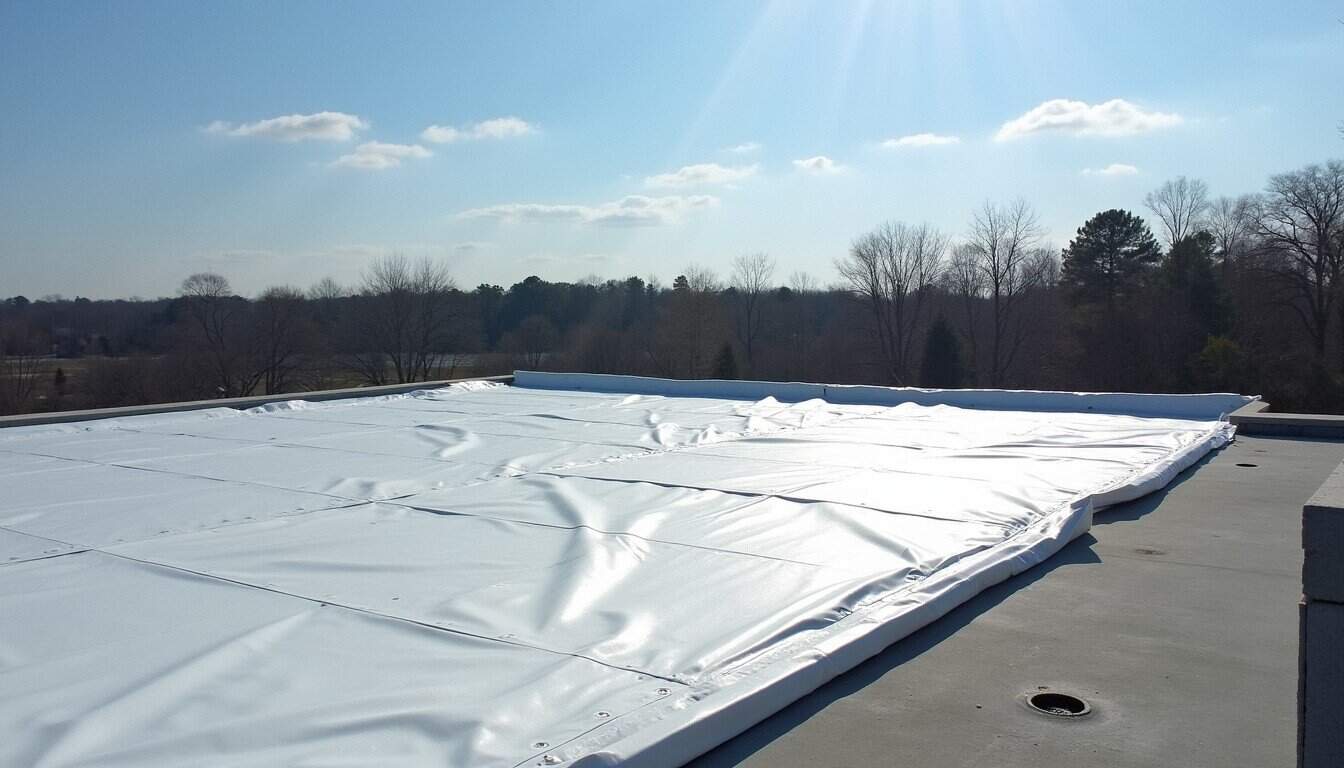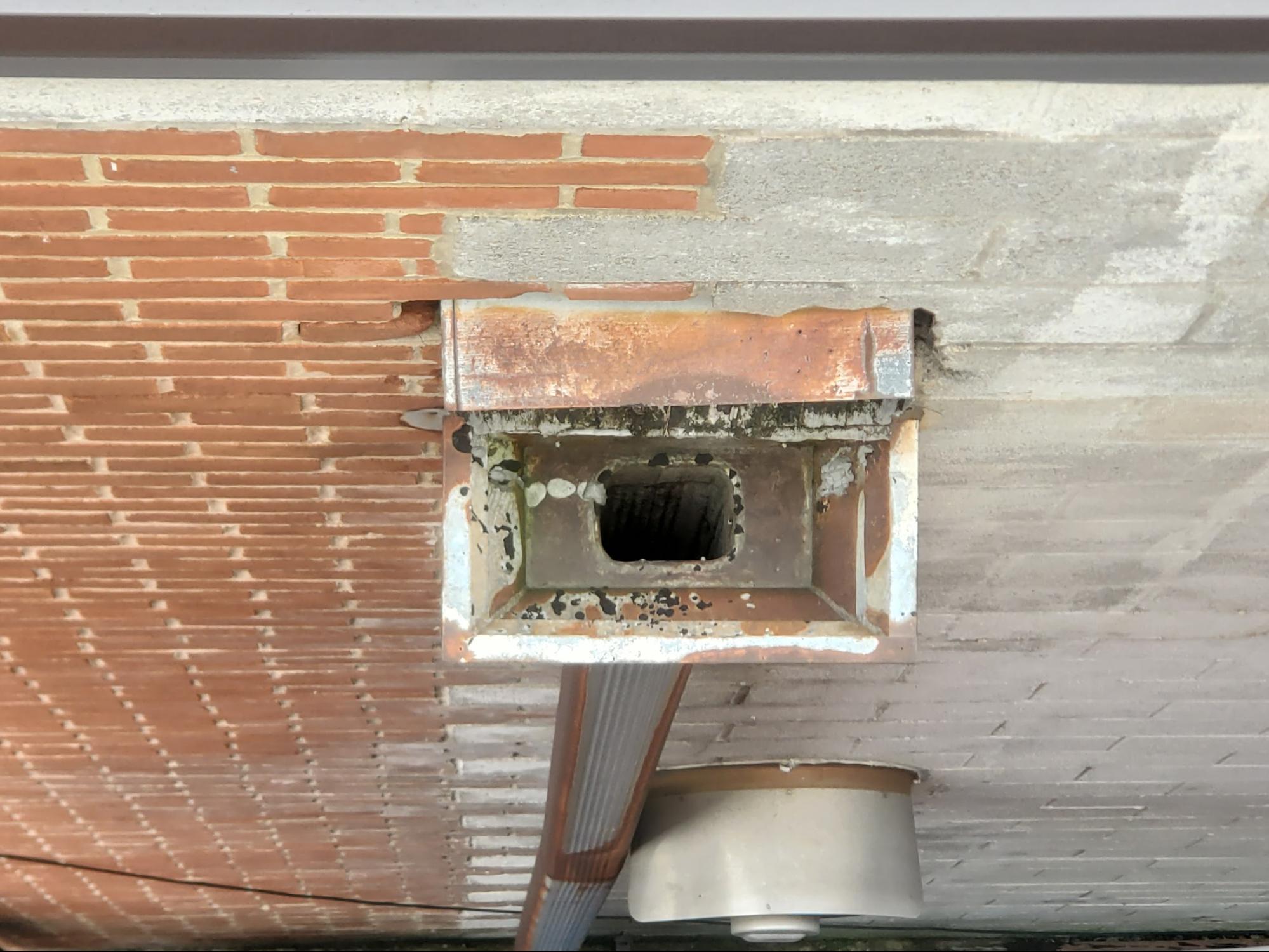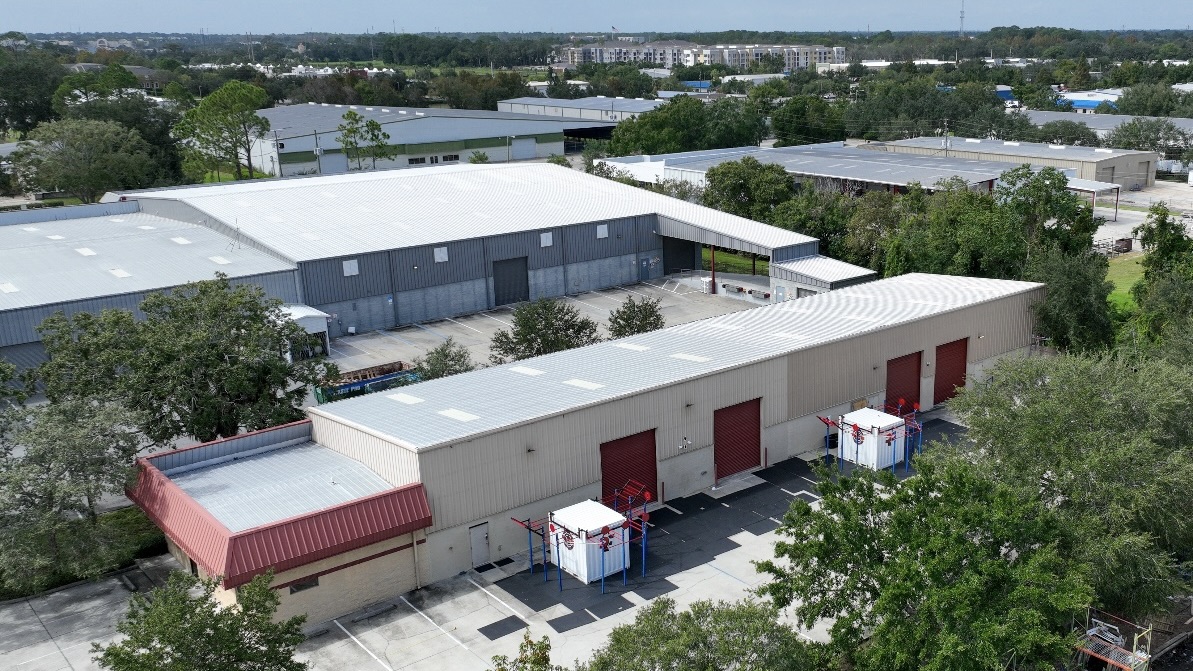
Self-Storage Facility Roofing starts with the actual roof condition.
CubeSmart operates a well-located self-storage facility on Reisterstown Road in Baltimore, Maryland, serving customers from the Park Heights neighborhood and the suburban corridor stretching toward Pikesville. Baltimore's self-storage market reflects the city's unique mix of urban density, a large population of apartment renters, and a blue-collar industrial heritage — facilities in Baltimore serve everyone from homeowners downsizing in Hampden to contractors storing equipment between commercial jobs in the port area. Roofing these facilities in Baltimore means working in a Mid-Atlantic climate that delivers both demanding summer heat and humidity and meaningful winter snowfall, with all the transitional stress that comes from oscillating between those extremes.
Baltimore averages about 22 inches of annual snowfall, with occasional significant storms from nor'easters that can deposit two feet or more over a short period. Self-storage buildings with flat roofs and long, unbroken spans are at risk of snow load accumulation — and more insidiously, of ice dam formation at parapet edges and drain locations after partial melting and refreezing cycles. Maryland's building code incorporates roof snow load requirements based on ground snow load maps, and Baltimore roofing systems need to be designed with appropriate deck capacity and drainage infrastructure to handle these events safely.
The summer season in Baltimore delivers high heat and humidity that challenge roofing membranes and the insulation assemblies beneath them. July average highs exceed 90°F, and heat island effects in the city's dense built environment push rooftop temperatures higher still. Vapor management is critical in Baltimore's climate because the high summer humidity creates strong vapor drive toward the cool interior of climate-controlled storage buildings. A vapor retarder on the wrong side of the insulation assembly — or an inadequate vapor retarder on a building with high interior humidity — can lead to condensation within the roof assembly, degrading insulation performance and eventually causing structural damage to the deck.
Climate-controlled storage in Baltimore faces year-round thermal demand, with significant cooling in summer and heating in winter. The roofing insulation assembly needs to perform in both directions. R-25 over polyiso in two layers, with joints offset to minimize thermal bridging, is a common specification on Baltimore storage buildings. The building's age matters — many Baltimore storage facilities are in converted industrial buildings or were constructed in an era when energy performance was not a design priority, and upgrading insulation in the roofing system is one of the most cost-effective improvements an operator can make.
Tenant belongings protection in Baltimore includes awareness of the city's periodic severe weather — nor'easters, summer thunderstorms, and the occasional remnant tropical system that tracks up the Chesapeake Bay corridor. Any of these events can deliver high winds and heavy rain in combination, testing temporary waterproofing provisions on active roofing projects. Baltimore commercial roofing contractors with storage facility experience maintain emergency response protocols and keep sufficient materials on site to fully cover open sections if a weather event interrupts work.
Baltimore City and Baltimore County have their own building departments with separate permitting processes, and storage facilities may fall in either jurisdiction depending on their location. Permit review timelines and code interpretation can differ between the two offices, and a contractor experienced only with Baltimore City projects may need to adjust processes when working in Baltimore County. Operators should confirm the correct jurisdiction before beginning the permit process and should build appropriate lead time into project schedules to accommodate review.
Security penetrations at Baltimore storage facilities are numerous because the city's crime statistics make comprehensive camera coverage a baseline requirement for operators and a significant factor in tenant selection decisions. Some Baltimore storage facilities have invested in exceptionally dense camera networks, with mounting points at every aisle intersection and every building access point. Accounting for all of these penetrations in a re-roofing scope requires a careful pre-project survey and clear documentation of each location so that none are missed during membrane installation.
EPDM remains popular for Baltimore storage building re-roofing because of its proven performance in Mid-Atlantic freeze-thaw cycles and its flexibility for detailing complex parapets on older buildings. Many Baltimore storage facilities were not purpose-built for storage — they were adapted from light industrial or warehouse uses — and their roof geometries include non-standard transitions, existing penetrations from prior uses, and parapet configurations that require field fabrication rather than catalog flashing details. EPDM's workability in cold weather and its compatibility with most existing substrates make it well-suited for these conditions.