Solar Roof Integration starts with the actual roof condition.
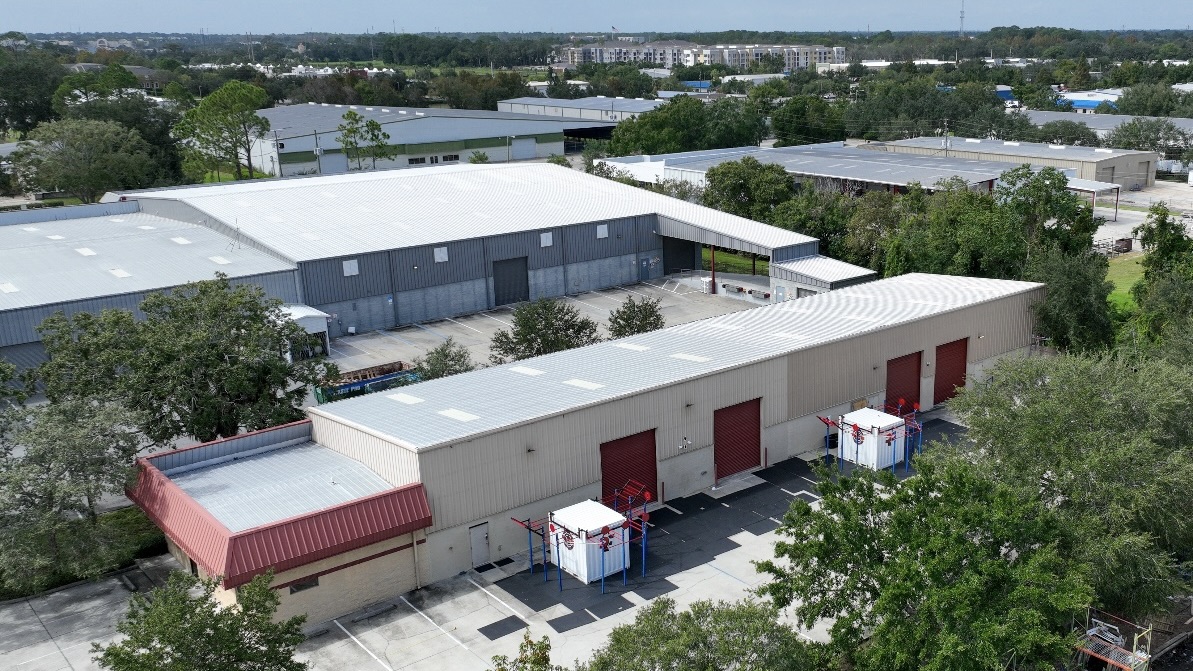
A rooftop solar array is one of the largest things a Baltimore property owner will ever bolt to a commercial roof, and the decision to install it is fundamentally a roofing decision before it is an energy decision. Once panels, racking, and ballast are sitting on the membrane, the surface underneath them becomes effectively unreachable for the 25-year life of the array. We work with owners across the Port Covington redevelopment, the warehouse rows off Pulaski Highway, and the office stock around the I-83 Jones Falls corridor to make sure the membrane below a planned PV system is sound, warranted, and detailed correctly before the first panel goes up.
Why The Roof Comes First, Not The Panels
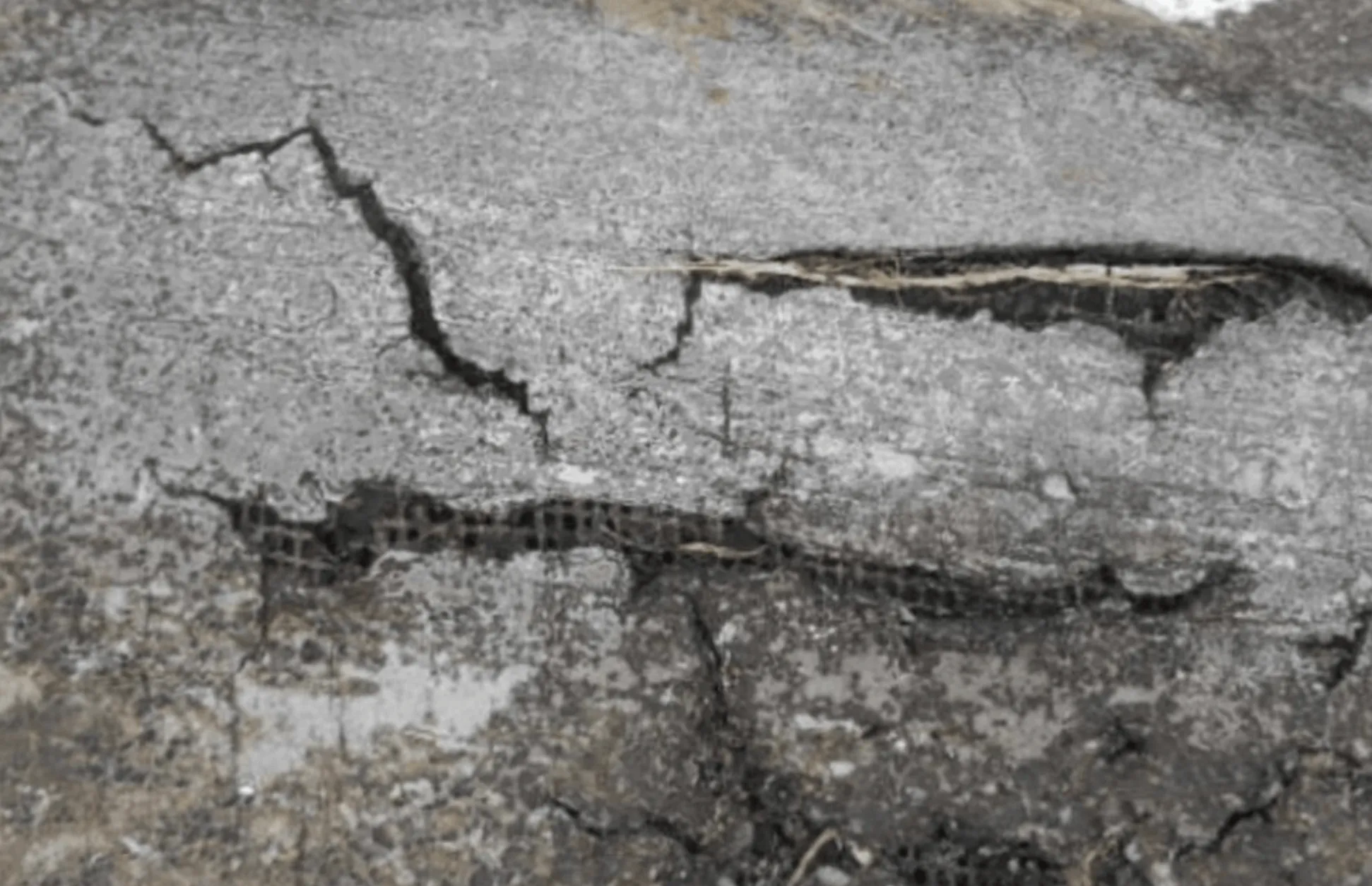
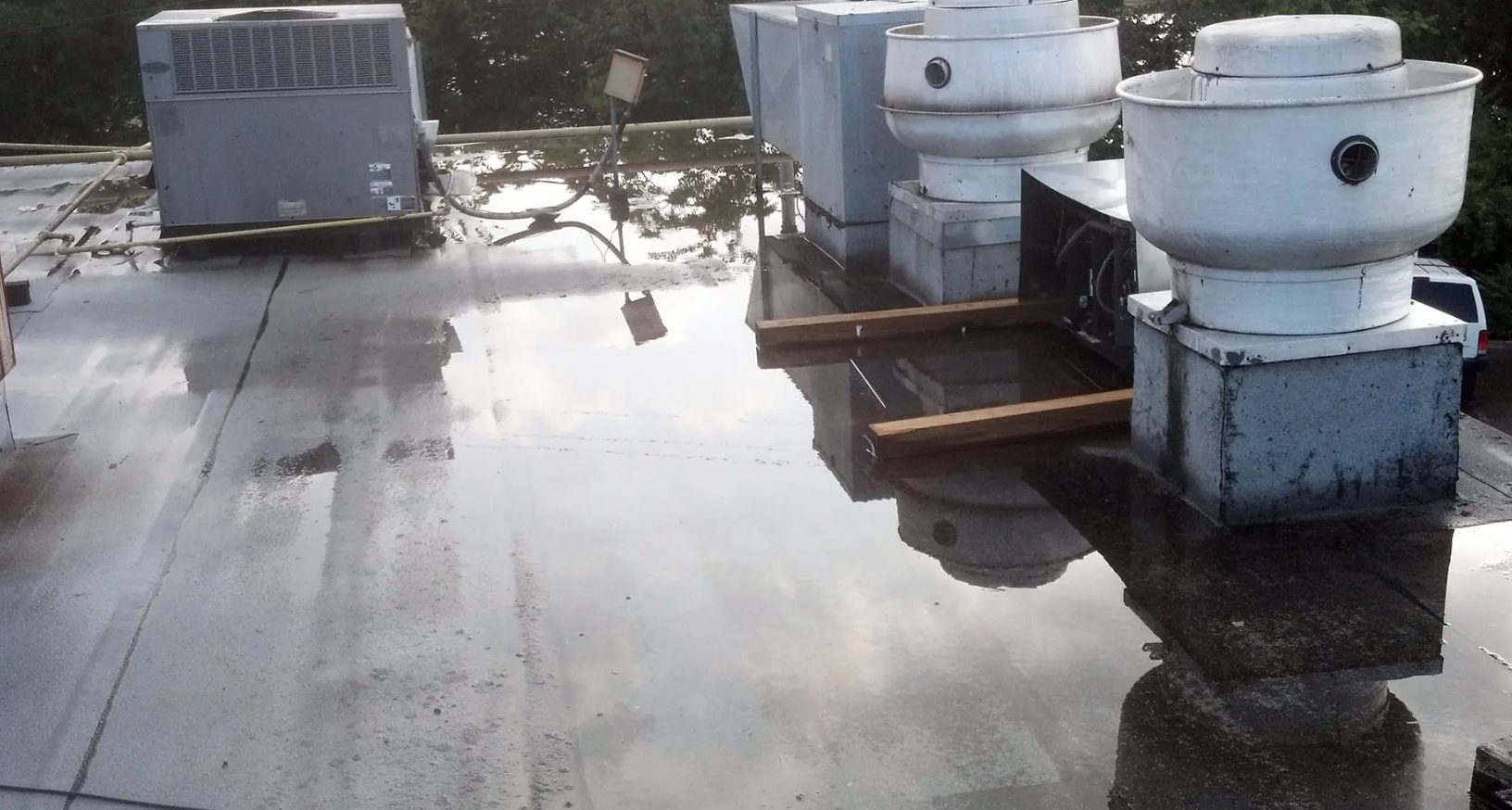
The most expensive mistake we see is solar installed over a membrane with a decade or less of remaining service life. When that roof eventually fails, the entire array has to be de-energized, disconnected, lifted, staged, and reinstalled so the roof beneath it can be replaced. On a mid-size Baltimore warehouse that adds five and six figures of avoidable cost to a reroof that should have been simple. Our first step on any solar-roof project is an honest assessment of the existing assembly: membrane type, seam condition, fastener pull-out, insulation moisture, and realistic years remaining. If the roof has fifteen-plus good years, we detail it for solar as-is. If it is mid-life or older, we tell owners plainly that reroofing first, then setting the array, is the cheaper path over the life of both systems.
Racking Penetrations And Ballast
Commercial PV on Baltimore's low-slope roofs is typically mounted one of two ways, and each loads the roof differently. Ballasted racking holds the array down with concrete blocks or pavers spread across the field, avoiding membrane penetrations but adding meaningful dead weight, sometimes three to six pounds per square foot before snow load. Attached racking anchors each support foot through the membrane into the deck or structure, which trims the weight but creates dozens or hundreds of penetrations that every one of which has to be flashed as carefully as a pipe boot. Neither approach is automatically right. We coordinate with the solar engineer and, where needed, a structural engineer to confirm the building can carry ballast plus snow, or to lay out an attached system whose penetration pattern we can detail and warrant.
Membrane Compatibility And Surface Choice
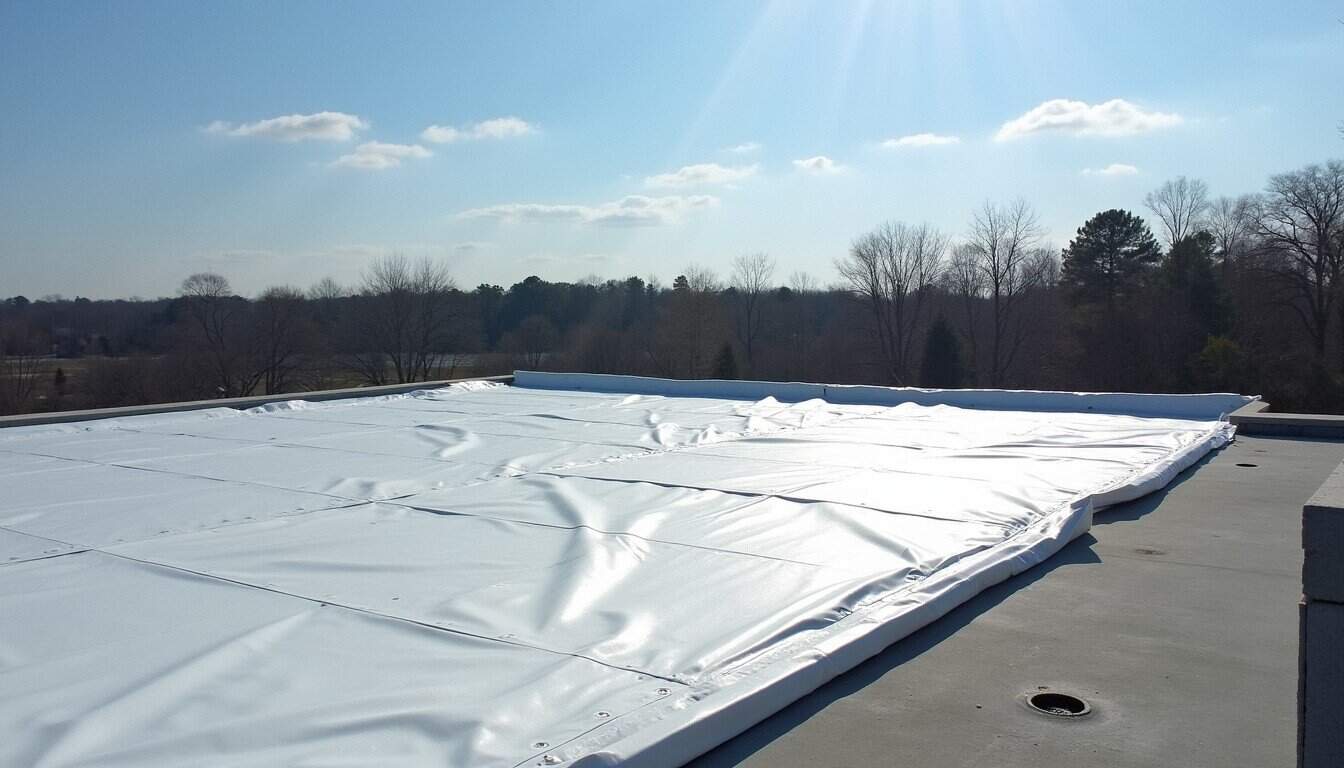
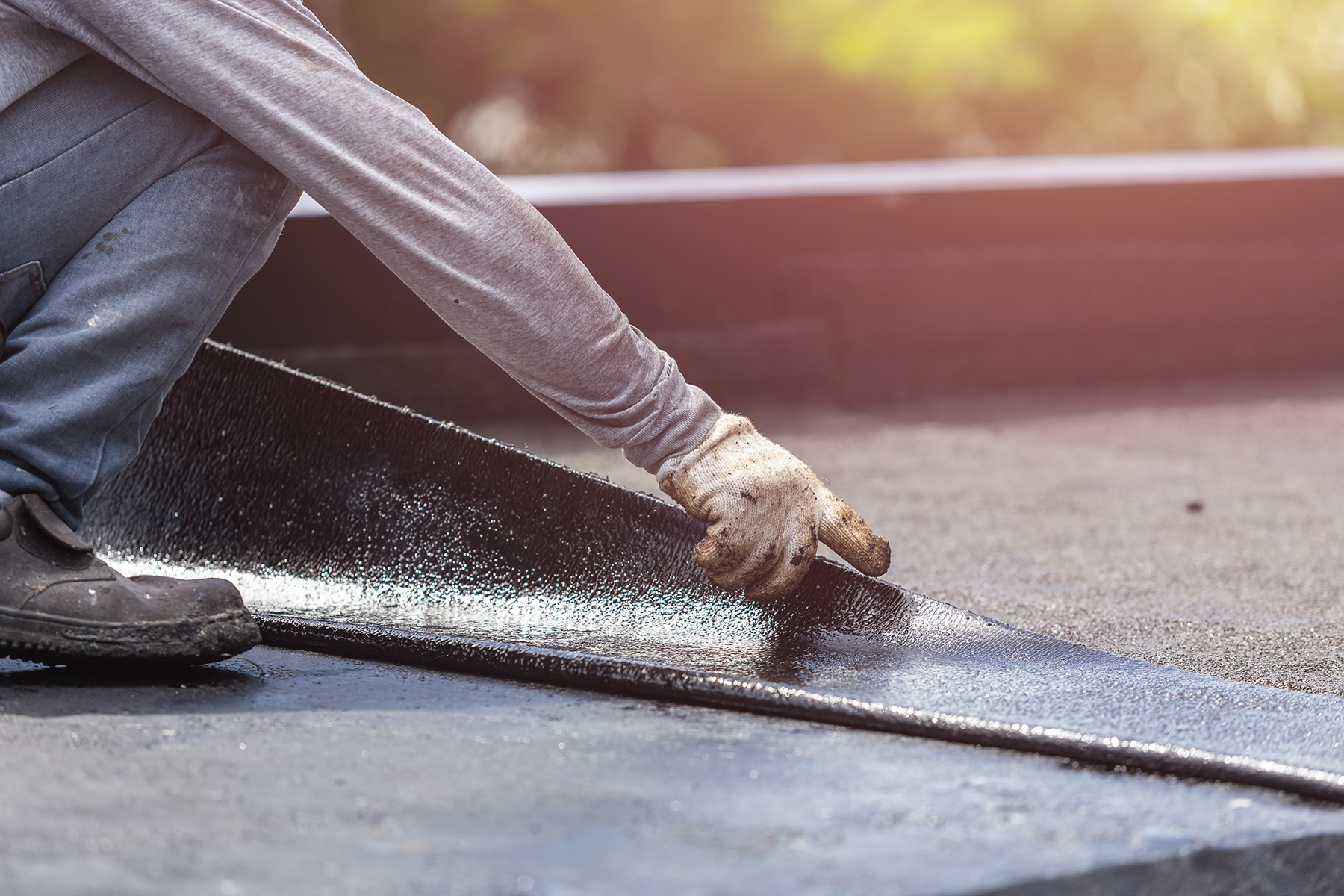
The membrane under an array has to tolerate decades with no direct sun, periodic foot traffic for panel service, and constant point loads from racking feet or ballast pads. We favor a reinforced TPO or PVC system at 60 mil or heavier under solar, with a white reflective surface that keeps the cavity beneath the panels cooler and supports module output on Baltimore's humid July afternoons. Walkway pads get run along every maintenance route and around every inverter and combiner so service technicians are never stepping directly on the field sheet. Where ballast pads bear on the membrane, we add a protective slip sheet or manufacturer-approved pad so the blocks cannot abrade or puncture the surface as the array moves with thermal cycling.