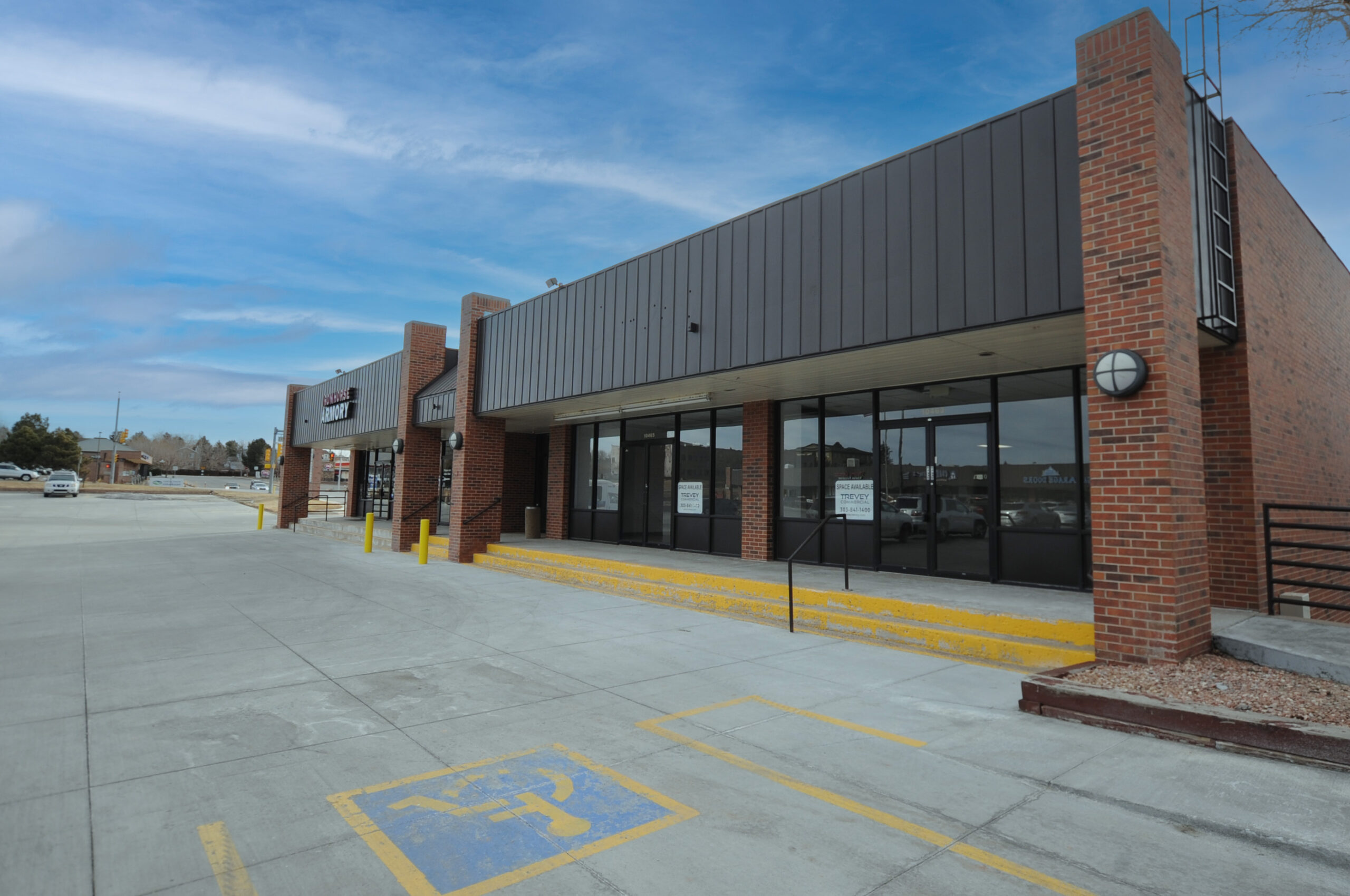
Food Processing Plant Roofing starts with the actual roof condition.
A roof over a food plant has two climates to manage at once: the weather above it and the wet, temperature-swung air below it. Daily washdowns push warm humidity up against the deck, refrigerated rooms pull the deck temperature down from the inside, and a leak over a production line is not a maintenance ticket, it is a potential hold on product. We plan these roofs to keep water and condensation out of the building, not to chase them afterward.
Baltimore's food industry runs on these buildings
The harbor made this a food town and it still is. The wholesale houses and processors around the Maryland Wholesale Food Center in Jessup, the seafood and protein operations tied to the Port of Baltimore, the bakeries and commissary kitchens scattered through the Pulaski Highway and Holabird industrial belts, and the cold-storage and distribution buildings out toward BWI all sit in our service area. Spice, beverage, and packaged-goods makers fill the older brick plants in the city and the newer tilt-wall boxes in the county. These roofs range from decades-old built-up assemblies to modern single-ply, and the food-safety rules over them are the same regardless of age.
Not every roofing material is allowed up there
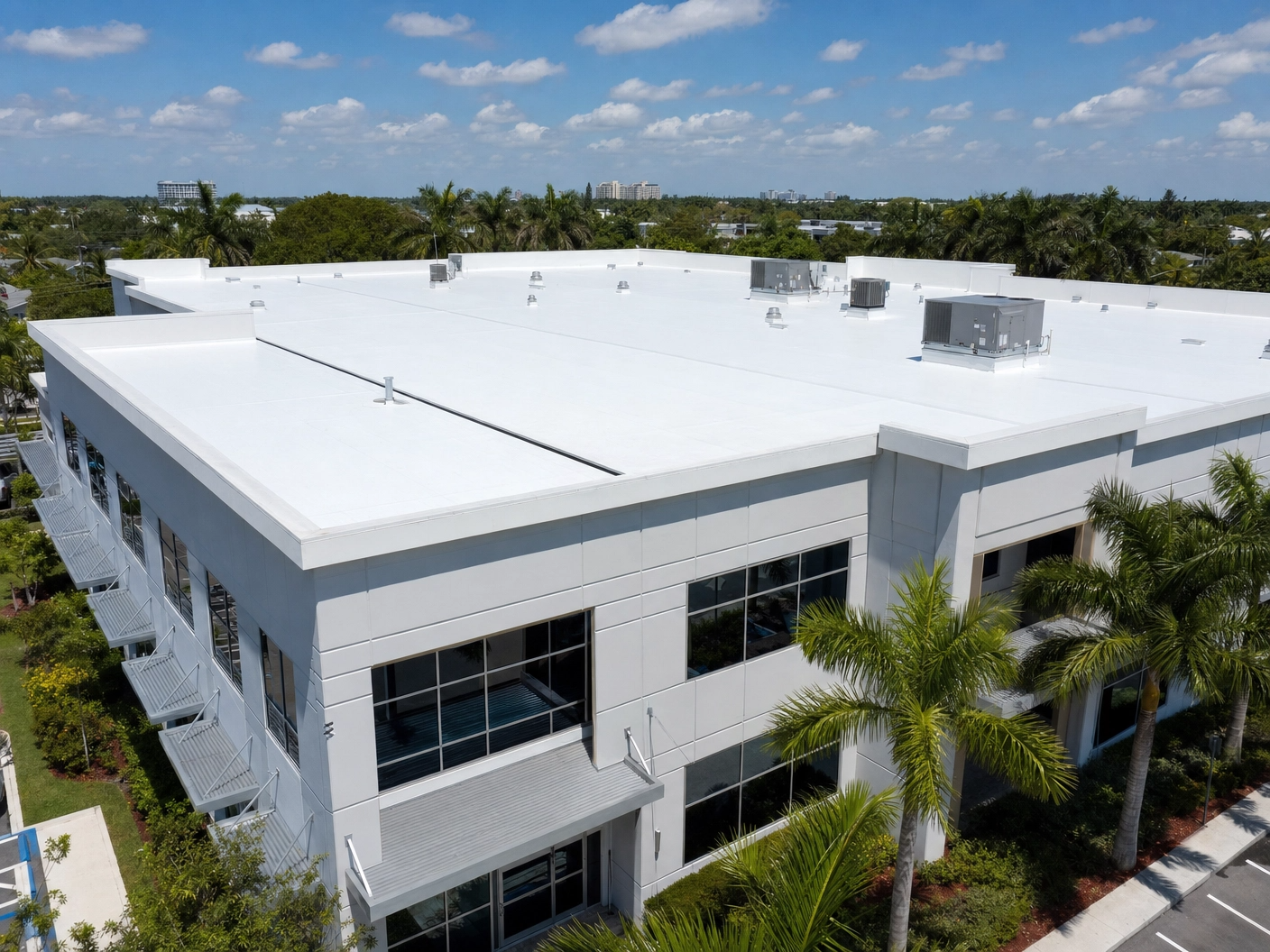
On a USDA- or FDA-regulated line, the roof assembly is part of the food-safety envelope, and that limits what we can install. The membrane itself, plus the adhesives, primers, and sealants used in the flashings, has to be acceptable for use above a food environment, and that is not automatic across every product on a truck. Plenty of common roofing adhesives are solvent-based and have no business over an open production area. White TPO and PVC single-ply are generally workable over enclosed processing space, but we confirm the specific products against the plant's food-safety plan with the QA team before anything goes down.
Washdown humidity is the quiet killer
Sanitation crews hose down a processing floor every day, and that warm vapor rises straight into the roof assembly. If the deck above is cold, it condenses, and the assembly stays damp. Over a steel deck that means rust starting in the flutes; over any deck it means insulation losing R-value and adding weight while the surface still looks fine. The fix is not just more insulation, it is controlling where that warm wet air can go, and that is a detail standard commercial specs often skip. We look at the vapor side of the assembly as seriously as the watershed side.